.png "H96 Max Android TV Box video reviews and tutorials on YouTube")
.png "H96 Max Android TV Box photos and lifestyle shots on Instagram")



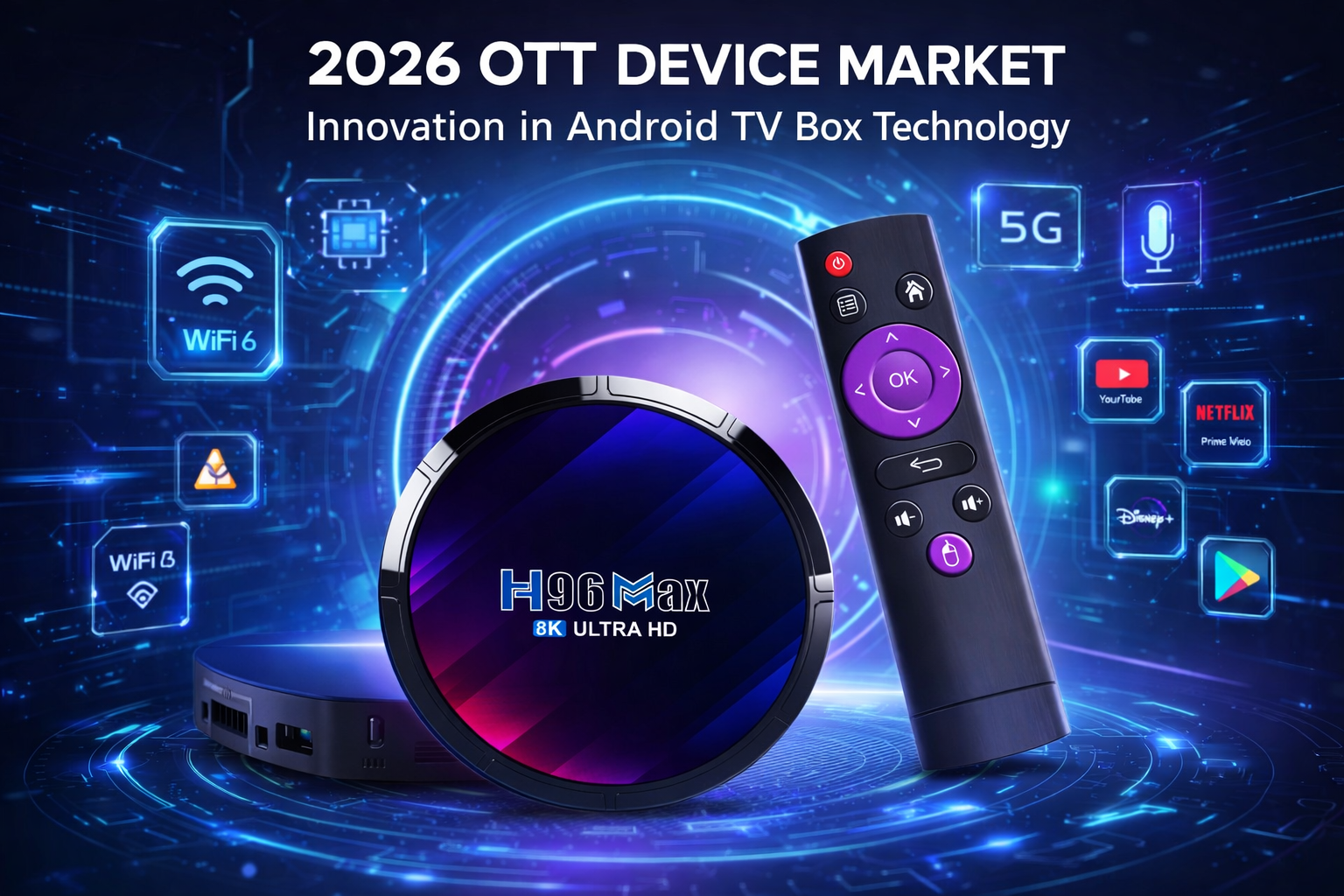
2026 OTT Device Market Outlook: Will Android TV Box Be Obsolete?
Introduction: Unpacking the Android TV Box Market in 2026
The Android TV Box Market stands at a pivotal juncture as the global OTT Device Market surges toward new heights by 2026. Driven by changing consumer entertainment preferences, rapid technological advancement, and the proliferation of streaming platforms, Android TV Boxes have carved out a prominent space in both emerging and mature markets. Yet, as competitors introduce ever-smarter alternatives and integrated Smart TVs expand their capabilities, industry analysts and business decision-makers are asking: Will the Android TV Box soon become obsolete? This article provides a fact-based, non-promotional analysis—leveraging expert insights, market data, and regional perspectives—to offer valuable clarity for industry stakeholders.
Current Trends in the Global OTT Device Market
Recent data from Statista and Digital TV Research highlight a robust trajectory for the global OTT Device Market, with annual growth rates projected above 10% through 2026. In this fast-evolving landscape, Android TV Boxes continue to hold significant market share, particularly in Asia-Pacific, Eastern Europe, and select markets in Latin America and Africa. Analysts point out that the flexibility, affordability, and open-source nature of these devices have enabled them to remain competitive, even as Smart TVs and other OTT Streaming Devices such as Roku, Amazon Fire TV, and Apple TV have gained global traction.
A key factor behind the resilience of the Android TV Box Market is its ability to adapt to regional content requirements, local regulatory landscapes, and shifting consumer expectations. The latest hardware releases feature AI-enhanced interfaces, integrated voice control, and seamless compatibility with smart home ecosystems, keeping the Android TV Box highly relevant in a saturated marketplace. The OTT Device Market thus remains deeply diversified, and Android TV Boxes continue to play a strategic role for consumers seeking customization and extended device lifespans.
Comparing Regional Demands and Market Dynamics
Regional variation is a defining characteristic of the Android TV Box Market. In China and India, Android TV Boxes account for more than 60% of OTT device sales according to Counterpoint Research, as local content aggregation, competitive pricing, and consumer familiarity make these devices a first choice for many households. Indian technology outlet The Economic Times reports a strong correlation between affordable Android TV Box adoption and the expansion of regional streaming services.
In Europe, the Smart TV Box Market is shaped by stringent regulatory requirements and a growing appetite for integrated Smart TVs. Yet, Android TV Boxes maintain a notable presence among users requiring advanced customization, such as hospitality providers and small businesses. A 2025 Digital TV Europe survey found that 47% of European respondents prefer the flexibility of multi-device, multi-platform streaming—underscoring ongoing demand for Android-based solutions.
North America’s OTT Streaming Devices segment is led by proprietary platforms like Roku and Amazon Fire TV, but Android TV Boxes are favored by tech-savvy users seeking features like open app stores and local content integration. South America, according to TeleSemana and Statista, continues to see strong demand for cost-effective Android TV Boxes, especially where broadband growth is outpacing Smart TV adoption.
Industry Data, Media Insights, and Authoritative Backing
Authoritative sources across the media landscape lend further credibility to the ongoing relevance of the Android TV Box Market. IDC projects double-digit growth for the Smart TV Box Market globally, driven by innovation in device features and the rising penetration of streaming apps. Southeast Asian technology media, such as TechNode and The Jakarta Post, regularly highlight the affordability and versatility of Android TV Boxes as primary home entertainment solutions. Meanwhile, the United States-based Parks Associates confirms that, despite market saturation, Android TV Box shipments remain stable among households with multiple streaming subscriptions.
Moreover, independent research by Statista indicates that the Android TV Box Trend 2026 will be characterized by deeper integration with cloud gaming, home automation, and voice-controlled content navigation. Android TV Box manufacturers are rapidly adopting chipsets that support 4K and even 8K streaming, along with enhanced AI-driven recommendation engines. These trends are shaping the future direction of both the Android TV Box Market and the broader OTT Device Market.
Regulatory and Technological Challenges
Despite strong fundamentals, the market is not without risks. In some regions, evolving copyright laws and heightened content protection standards have led to tighter controls on open-source streaming hardware. Additionally, proprietary operating systems embedded within next-generation Smart TVs threaten to marginalize standalone Android TV Boxes, especially in high-income markets. Yet, even here, a segment of professional and enterprise buyers continues to value the flexibility, cost-savings, and control afforded by Android TV Box solutions.
The question, Will Android TV Box be obsolete, remains relevant as device convergence accelerates. Local news outlets in South Africa, such as MyBroadband, note that Android TV Box demand persists wherever price sensitivity and content diversity are prioritized over brand loyalty. In Brazil, data from Mercado Livre and research firm Ibope show steady Android TV Box sales, even as local Smart TV penetration increases.
The Evolution of User Experience and Functional Requirements
Consumers’ expectations for OTT Streaming Devices have shifted dramatically in recent years. The Android TV Box Market is responding with a renewed focus on user experience—incorporating features such as hands-free voice search, universal device compatibility, and granular parental controls. Market analysts anticipate that future Android TV Boxes will support expanded app ecosystems, low-latency gaming, and robust integration with home security systems.
The Future of Android TV Box in 2026 hinges on the ability of manufacturers to anticipate and meet these evolving requirements. According to TechCrunch, manufacturers are already experimenting with hybrid models that bridge traditional streaming functions with IoT device management, health monitoring, and education-focused content aggregation. These innovations are extending the lifecycle and relevance of Android TV Boxes, even as competition intensifies.
Expert Opinions and Local Media Perspectives
Industry thought leaders such as Deloitte and McKinsey have identified Android TV Boxes as a “key enabler” for digital transformation in regions where high-end Smart TVs remain inaccessible. Media outlets including CNBC, The Verge, and TechRadar consistently point to the Android TV Box’s ongoing role as a cost-effective bridge to next-generation entertainment.
Locally, Germany’s Golem.de highlights that many SMEs continue to deploy Android TV Boxes for interactive advertising and digital signage—demonstrating the device’s enterprise value beyond home use. In Southeast Asia, publications like Nikkei Asia emphasize Android TV Box adaptability as new 5G and fiber broadband rollouts accelerate streaming adoption in rural areas.
Outlook for the Next Five Years: Global Demand and Functional Shifts
In summary, market forecasts from Grand View Research, Statista, and regional analytics firms all predict sustained demand for Android TV Boxes through at least 2030, with the fastest growth expected in Africa, South Asia, and parts of Eastern Europe. The global Android TV Box Market will remain central to the OTT Device Market, fueled by rising demand for device customization, AI-powered content discovery, and cloud-based service integration.
Future functional requirements are likely to include seamless support for UHD and immersive audio formats, robust cyber security, multi-language content aggregation, and dynamic device interoperability. Manufacturers investing in R&D for energy efficiency, remote diagnostics, and eco-friendly packaging are poised to capture additional market share as consumer priorities shift.
While it is unlikely that Android TV Boxes will become universally obsolete by 2026, the market will undoubtedly be reshaped by both technological innovation and changing regional demand. For professionals, buyers, and strategic planners, the key lies in understanding these nuanced shifts and staying informed about the evolving competitive landscape in the Smart TV Box Market and OTT Streaming Devices ecosystem.
READ MORE
Android TV Box Market vs Smart TV Market: Competition Landscape Analysis 2026
2026 Global TV Box Market Demand: Which Countries Are Still Growing?
Can the Android TV Box Market Still Thrive in 2026? Real Market Data and Profit Analysis
2026 Overseas Android TV Box Market Trends: A Comprehensive Risk and Opportunity Review
Will Fire TV and Roku Push Android TV Box Out of the Low-End Market?
Android TV Box Content Partnership: Global Expansion Opportunity?
White Label Android TV Box vs Private Mold Customization: Which Is Better for Overseas Clients?
Is Android TV Box Manufacturing Still Profitable in 2026 or Is the Real Value in Solutions?
Quick Links

.png "Watch H96 Max Android TV Box reviews on our YouTube channel")

.png "Explore H96 Max product photos on Instagram")