.png "H96 Max Android TV Box video reviews and tutorials on YouTube")
.png "H96 Max Android TV Box photos and lifestyle shots on Instagram")



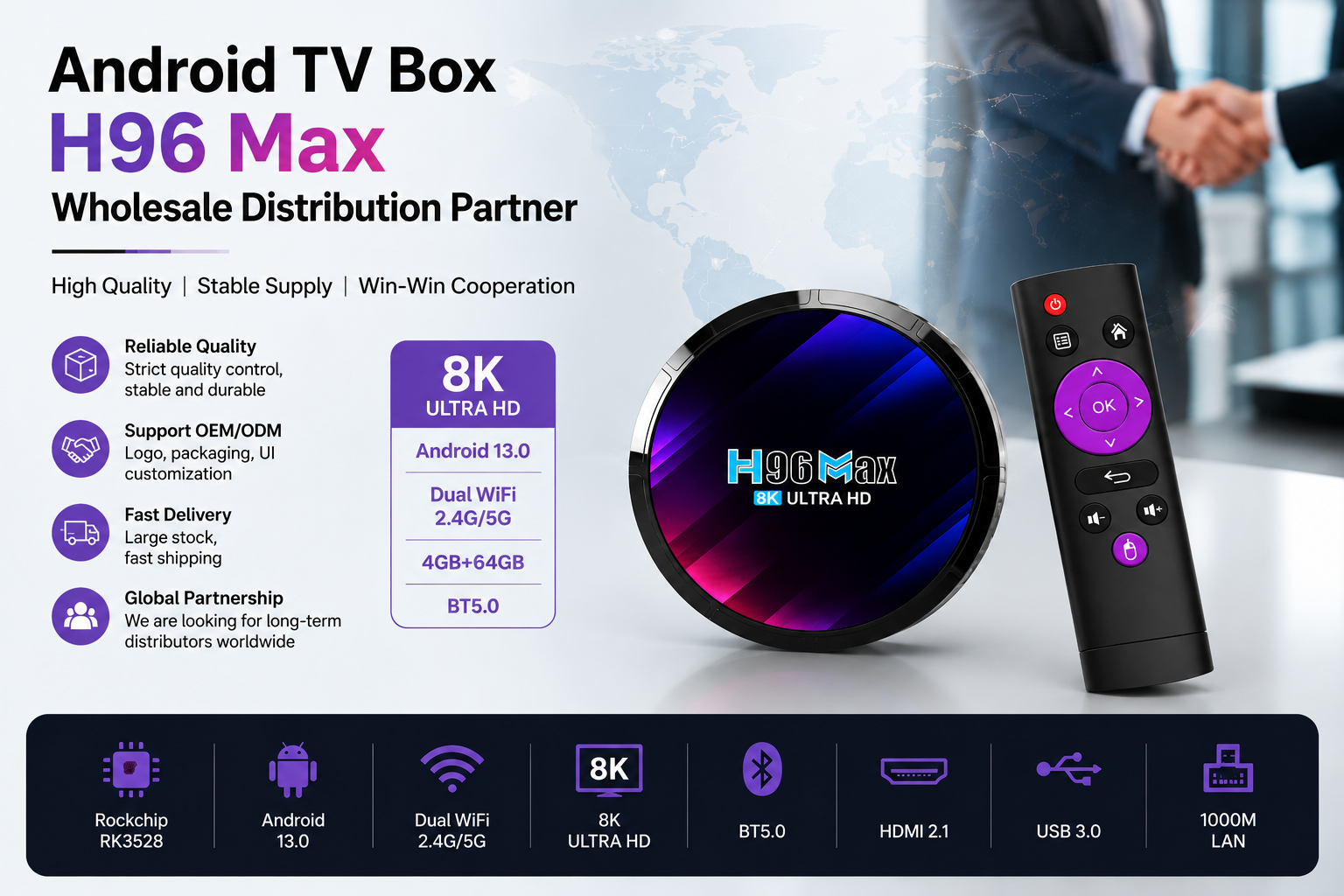
Android TV Box Certifications Explained for Importers and Brand Owners
Selecting an experienced Android TV Box Producer involves more than comparing hardware specifications and pricing. Regulatory compliance has become one of the most important factors influencing global product launches. Buyers entering international markets must understand certification requirements because missing approvals can result in customs delays, legal exposure, product recalls, reputational damage, and unexpected financial losses. Industry analysts consistently identify compliance readiness as a critical supplier evaluation criterion for importers, distributors, telecom operators, retailers, and brand owners.
As consumer electronics regulations continue evolving, manufacturers must navigate increasingly complex technical standards. Whether working with an OEM Android TV Box Supplier, an Android TV Box Factory China partner, a Custom Android TV Box Manufacturer, or a Private Label TV Box Supplier, understanding certifications helps buyers reduce risk and accelerate market entry.
Why Certifications Matter
Certifications provide evidence that products meet defined safety, electromagnetic compatibility, environmental, and interoperability standards. They help regulators, distributors, retailers, and consumers trust product performance and reliability. A professional Android TV Box Producer incorporates compliance planning early in product development to avoid delays during commercialization.
FCC Certification Explained
FCC certification is required for many electronic devices entering the United States. The Federal Communications Commission regulates radio frequency emissions to minimize interference with other devices. Android TV Boxes containing Wi-Fi, Bluetooth, or other wireless technologies often require FCC testing. Buyers should verify reports, test documentation, and certification records before importing products into the U.S. market.
Understanding CE Requirements
CE marking is essential for products sold throughout much of Europe. CE compliance demonstrates that devices meet applicable health, safety, and environmental requirements. Manufacturers typically compile technical documentation and conformity declarations supporting CE eligibility. Experienced suppliers understand the documentation requirements needed for smooth distribution within European markets.
RoHS Compliance and Environmental Responsibility
RoHS regulations restrict the use of specific hazardous substances in electronic equipment. Compliance supports environmental sustainability and consumer safety. Importers should confirm material declarations and supplier controls that support RoHS requirements. Reliable factories integrate compliant component sourcing into their quality management systems.
HDMI Licensing and Compatibility
HDMI standards influence interoperability, performance, and user experience. Compliance helps ensure proper audio and video transmission between devices. As video resolutions and entertainment expectations continue increasing, HDMI compatibility remains an important product evaluation factor for buyers and end users.
Google Requirements and Software Ecosystems
Google-related requirements are increasingly important in the streaming device sector. Buyers should understand the distinction between standard Android implementations and officially supported ecosystem integrations. Software compatibility, security requirements, user experience standards, and platform expectations can significantly influence market acceptance.
Certification Challenges for Global Buyers
Many sourcing problems occur because buyers assume compliance without conducting proper verification. Documentation gaps, outdated reports, incorrect product configurations, and unsupported claims can create substantial risks. An experienced Android TV Box Producer typically maintains organized certification records and supports customer due diligence efforts.
The Role of Quality Systems in Compliance
Certification success depends heavily on manufacturing discipline. Quality management systems support traceability, process control, supplier qualification, testing consistency, and corrective actions. Organizations seeking Android TV Box OEM & ODM Solutions for Brand Owners should evaluate both certification status and quality infrastructure.
How Importers Should Evaluate Suppliers
Global buyers should request certification documents, laboratory reports, compliance declarations, factory audits, and production quality records. The Best Android TV Box Producer for Global Importers generally demonstrates transparency, technical competence, and a proactive approach to regulatory requirements. Importers should verify that supplied products match certified configurations rather than assuming documentation applies universally.
Future Trends in Compliance
Regulatory requirements are expected to become more demanding as cybersecurity, sustainability, energy efficiency, and connected device ecosystems receive greater attention. Manufacturers that invest in compliance expertise and continuous improvement will be better positioned to support long-term customer success.
Conclusion
Understanding FCC, CE, RoHS, HDMI, and Google requirements is essential for reducing risk and achieving successful market entry. Compliance is not simply a paperwork exercise; it is a strategic component of product quality, customer trust, and international growth. As an established H96 Max source factory, we provide OEM and ODM expertise, strict quality management, certification support, and dependable production capabilities. Partner with H96 Max today to build compliant, reliable, and globally competitive Android TV Box solutions.
READ MORE
The Future of Android TV Boxes: How AI, 8K, and Google TV Are Reshaping the Industry
Top Android TV Box Trends in 2026: What Global Buyers Should Know Before Ordering
How to Reduce Android TV Box Purchasing Costs Without Sacrificing Quality
How a Professional Android TV Box Producer Ensures Product Quality from IQC to Burn-In Testing
7 Costly Mistakes Buyers Make When Choosing an Android TV Box Producer
From Idea to Mass Production: The Complete ODM Android TV Box Development Process
OEM Android TV Box Solutions: How to Launch Your Own TV Box Brand Successfully
Android TV Box Producer vs Trading Company: Which One Saves You More Money and Risk?
How to Choose a Reliable Android TV Box Producer: 10 Critical Factors Every Buyer Should Verify
Quick Links

.png "Watch H96 Max Android TV Box reviews on our YouTube channel")

.png "Explore H96 Max product photos on Instagram")