.png "H96 Max Android TV Box video reviews and tutorials on YouTube")
.png "H96 Max Android TV Box photos and lifestyle shots on Instagram")



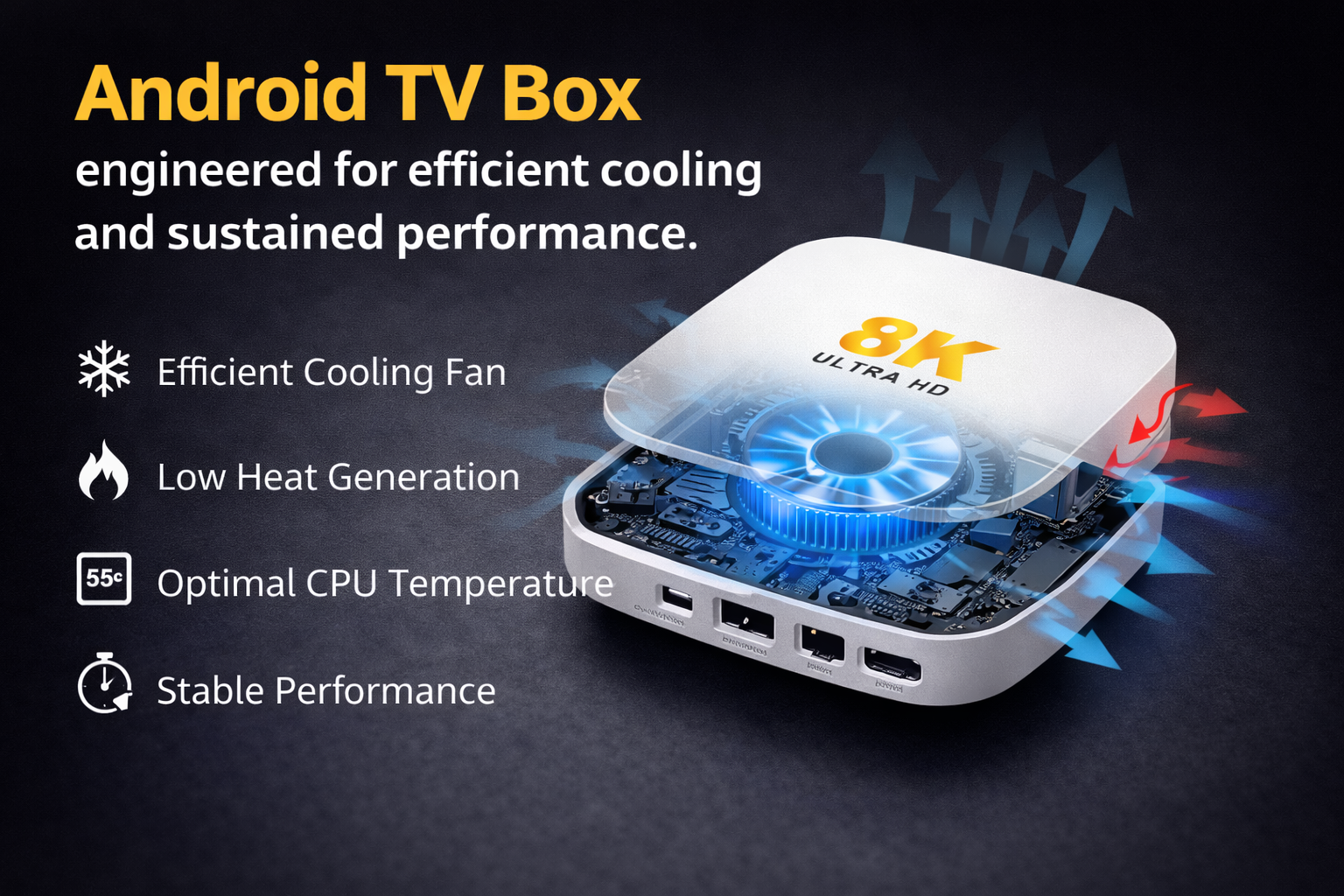
Android TV Box Overheating: Long-Term Operation and the Importance of Thermal Design
Introduction
When it comes to consumer electronics, one persistent challenge that engineers and users encounter is heat generation during continuous operation. The Android TV Box Overheating phenomenon is particularly relevant for users who leave their devices running for extended periods, either for streaming, downloading, or acting as a smart home hub. Effective management of this heat is crucial not only for device longevity but also for consistent performance and safety.
Understanding Android TV Box Overheating
Overheating in Android TV boxes is primarily the result of continuous operation where internal components such as the processor (CPU), graphics processing unit (GPU), and memory modules are consistently under load. Over time, this leads to thermal accumulation. The main keyword, Android TV Box Overheating, refers to the situation where the device's operating temperature exceeds optimal thresholds, potentially triggering system slowdowns, random restarts, or even hardware failure. Addressing this challenge involves a clear understanding of heat sources, device architecture, and operating environments.
Several factors contribute to this issue:
High ambient room temperature
Inadequate device ventilation
Intensive applications and multitasking
Suboptimal TV box thermal design
Why Thermal Design Is Critical
The phrase Android TV box thermal design importance underscores the fact that the longevity and reliability of these devices hinge on robust thermal engineering. Inadequate thermal design can result in chronic overheating, directly impacting component lifespan. Effective thermal design should consider factors such as:
Heat sink materials and surface area
Placement of heat-producing components
Airflow pathways within the device enclosure
Selection of thermal interface materials
Integration of active or passive cooling methods
Devices with well-implemented TV box thermal design exhibit fewer temperature spikes, more stable operation, and reduced risk of hardware malfunction, especially during periods of intense or prolonged usage.
Professional Cooling Solutions for Android TV Boxes
Adopting a dedicated Android TV box cooling solution is a multi-layered approach. Professional manufacturers often use a combination of passive and active cooling strategies:
Passive Cooling: Utilizes metal heat sinks, thermal pads, and optimized chassis design to dissipate heat without moving parts.
Active Cooling: Employs small fans or blowers within the TV box to enhance air circulation, lowering surface and component temperatures.
For end-users, ensuring the device is placed in a well-ventilated area and away from direct sunlight can further optimize natural heat dissipation.
Symptoms and Consequences of Overheating
Typical symptoms of Android TV box overheating after long time use include increased system lag, unexpected shutdowns, and permanent damage to sensitive components such as flash storage. In some cases, thermal throttling mechanisms are triggered by the operating system, causing the device to slow down to lower heat production. This protects the hardware but degrades the user experience.
Best Practices for TV Box Heat Management
Comprehensive TV box heat management incorporates proactive design at the manufacturing stage and responsible usage by the consumer. Recommendations include:
Regularly updating firmware to take advantage of thermal optimization patches
Reducing background applications and multitasking loads
Monitoring device temperature with system utilities
Using stands or mounts that facilitate air circulation
Opting for products with proven Android TV box heat dissipation systems
Employing these strategies helps maintain device integrity and maximize performance even during extended operation.
Conclusion: The Value of Professional Engineering
For end-users, awareness and simple best practices go a long way toward mitigating the risks associated with overheating. For engineers and product managers, the call to prioritize advanced Android TV box cooling solutions in future product cycles is clear, with tangible benefits for reliability, safety, and customer satisfaction.
READ MORE
Why Do Apps Close Automatically After Android TV Box Reboot? System Memory Management Explained
OTA Upgrade Failed? Complete Troubleshooting Guide for Android TV Box
Decoding Support Differences Unveiled: Which TV Boxes Truly Support 4K HEVC?
What Really Drives Android TV Box Performance? Not Just Specs—It’s These Settings!
Why Do Some Android TV Boxes Lag? Expert Insights Into Hardware Differences
Quick Links

.png "Watch H96 Max Android TV Box reviews on our YouTube channel")

.png "Explore H96 Max product photos on Instagram")