.png "H96 Max Android TV Box video reviews and tutorials on YouTube")
.png "H96 Max Android TV Box photos and lifestyle shots on Instagram")



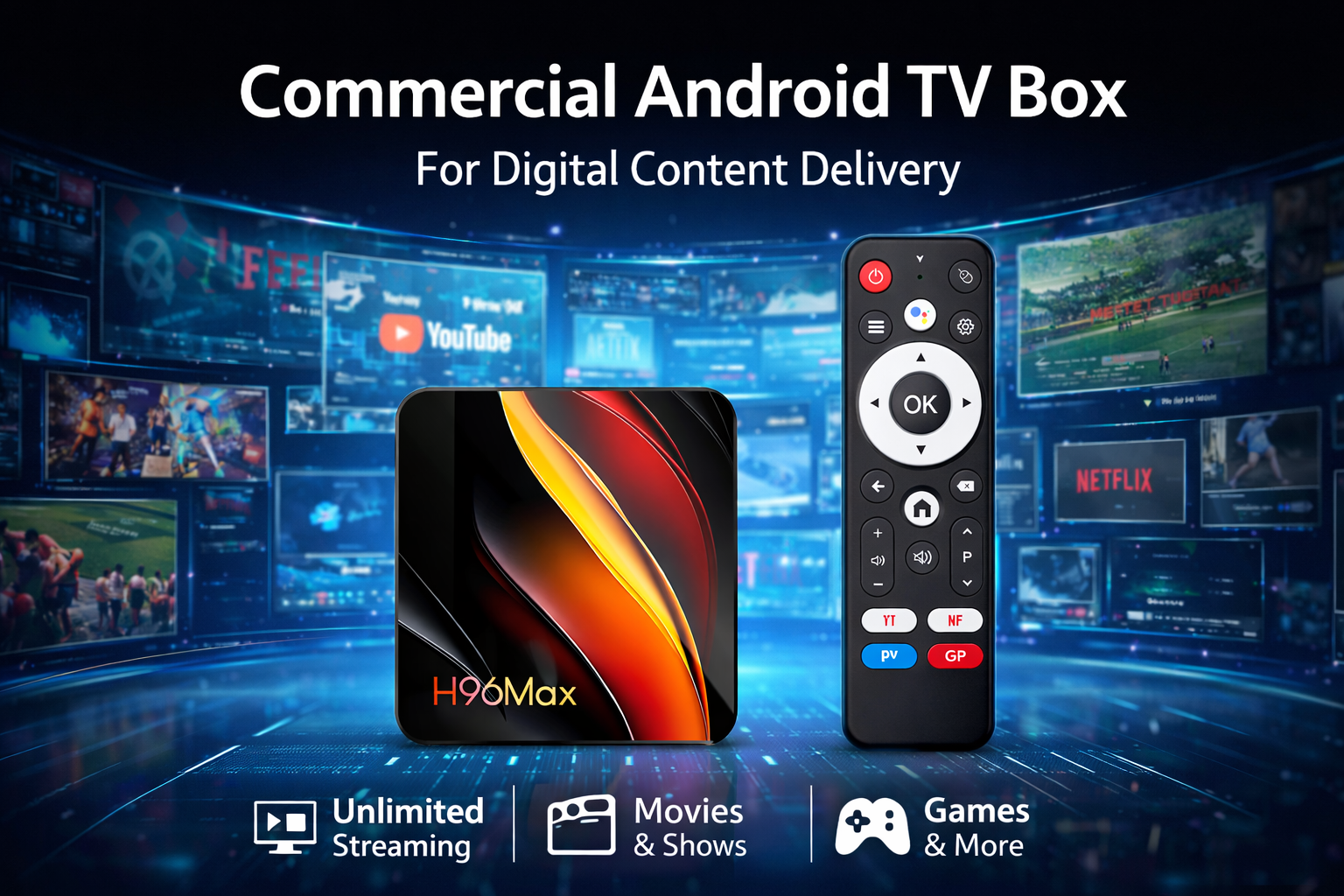
Android TV vs Linux OTT Media Box Solution: Which System Should You Choose?
Introduction: The Importance of Choosing the Right System
As the OTT industry continues to expand, selecting the right operating system for your OTT media box solution is a critical decision for ISPs and operators. The choice between Android TV and Linux-based systems directly impacts performance, scalability, user experience, and long-term operational costs. An effective OTT media box solution must align with business goals, content strategies, and market demands.
According to industry data, OTT adoption is growing rapidly worldwide, making it essential for operators to invest in flexible and future-proof technologies. An Android OTT media box solution offers a rich application ecosystem, while Linux-based solutions provide lightweight performance and stability.
Understanding Android TV OTT Media Box Solution
Android TV is one of the most widely used platforms in OTT deployments. An Android OTT media box solution provides access to Google Play Store, a vast range of applications, and seamless integration with global streaming services. This ecosystem enables operators to deliver diverse content and enhanced user experiences.
A custom Android OTT media box solution with Netflix certification allows access to premium content while ensuring compliance with DRM standards. This makes Android TV a preferred choice for operators targeting high-end markets.
However, Android TV systems may require higher hardware specifications, which can increase costs. Additionally, certification processes can be complex and time-consuming.
Understanding Linux OTT Media Box Solution
Linux-based OTT media box solution offers a lightweight and efficient alternative. These systems are known for their stability, fast boot times, and lower hardware requirements. For operators targeting cost-sensitive markets, Linux can be an attractive option.
A Linux OTT media box solution for IPTV is often used in controlled environments where applications and content are pre-defined. This approach reduces complexity and ensures consistent performance.
However, Linux systems lack the extensive app ecosystem of Android, which can limit flexibility and user engagement.
Key Differences Between Android TV and Linux
The primary difference between Android TV and Linux lies in flexibility and ecosystem support. Android offers a rich app environment, while Linux focuses on efficiency and stability. An OTT media box solution provider must consider these factors when recommending systems to operators.
Android systems support advanced features such as voice control, AI recommendations, and third-party applications. Linux systems, on the other hand, provide streamlined performance with fewer dependencies.
Performance and Hardware Requirements
Performance is a critical factor in system selection. An Android OTT media box solution typically requires more powerful hardware to support its features and applications. This includes higher RAM, storage, and processing capabilities.
Linux systems are more resource-efficient, making them suitable for lower-cost devices. However, they may not support advanced features required for premium user experiences.
Cost Considerations
Cost is a key consideration for operators. Android-based OTT media box solution often involves higher costs due to licensing, certification, and hardware requirements. Linux-based solutions are generally more cost-effective, making them ideal for budget-conscious deployments.
Operators must evaluate total cost of ownership, including development, maintenance, and support, when choosing between the two systems.
Customization and Flexibility
Customization is essential for differentiation. A custom OTT media box solution based on Android allows extensive UI and feature customization. This is particularly useful for operators targeting diverse markets.
Linux systems also support customization but are typically used for more controlled environments. An OTT media box solution OEM/ODM approach can help balance customization and cost efficiency.
Security and Certification
Security is a major concern in OTT deployments. Android systems support advanced DRM technologies and certifications such as Widevine and PlayReady. A reliable OTT media box solution provider ensures compliance with these standards.
Linux systems can also implement security measures but may require additional development to meet certification requirements.
Use Cases and Market Applications
Android TV is ideal for markets requiring rich content ecosystems and advanced features. It is commonly used in premium IPTV and OTT services. Linux systems are better suited for controlled environments such as hospitality or enterprise applications.
Selecting the best OTT media box solution supplier for IPTV business ensures that the chosen system aligns with market requirements and business goals.
Future Trends in OTT Systems
The future of OTT systems will be shaped by technologies such as AI, 5G, and cloud integration. An advanced OTT media box solution should support these innovations to remain competitive.
Operators must invest in flexible systems that can adapt to evolving market demands and technological advancements.
Conclusion
Choosing between Android TV and Linux OTT media box solution depends on business objectives, budget, and target markets. Both systems offer unique advantages, and the right choice depends on specific use cases.
H96 Max provides advanced OTT solutions with strong OEM/ODM capabilities and global experience. Partner with H96 Max today to build a scalable and competitive OTT ecosystem.
READ MORE
How OTT Media Box Solution Helps IPTV Businesses Grow Revenue?
Best OTT Media Box Solution for Emerging Markets (Africa, Middle East, South America)
How to Build a Custom OTT Media Box Solution from Scratch (Step-by-Step)
OTT Media Box Solution Price Breakdown: What Affects the Cost?
What Certifications Does an OTT Media Box Solution Need? (Netflix, Google, DRM Explained)
Top 7 Mistakes When Buying OTT Media Box Solution (And How to Avoid Them)
OEM vs ODM OTT Media Box Solution: Which One Is Better for Your Business?
How to Choose the Right OTT Media Box Solution Supplier in 2026
Ultimate Guide to OTT Media Box Solution for ISPs and Operators
Quick Links

.png "Watch H96 Max Android TV Box reviews on our YouTube channel")

.png "Explore H96 Max product photos on Instagram")