.png "H96 Max Android TV Box video reviews and tutorials on YouTube")
.png "H96 Max Android TV Box photos and lifestyle shots on Instagram")



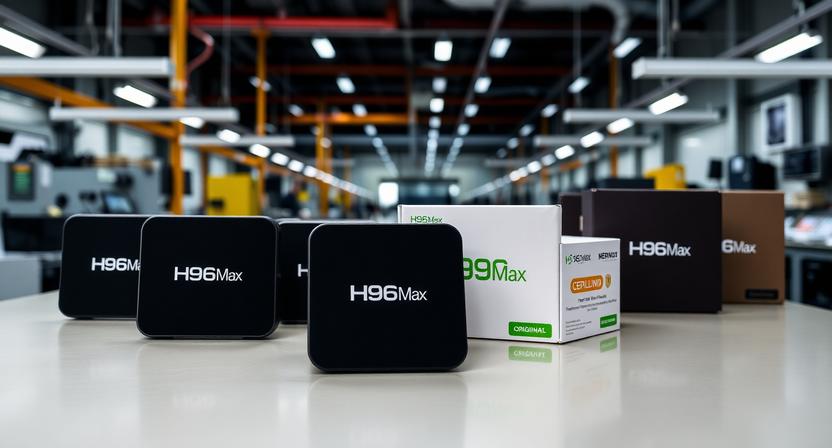
Best Practices for Airlines When Choosing an Android TV Box for Airplane Entertainment Systems
Modern airlines are redefining how passengers experience air travel by leveraging technology to deliver interactive, high-quality entertainment. The Android TV Box for Airplane Entertainment stands as the cornerstone of next-generation in-flight entertainment (IFE), providing seamless streaming, gaming, and real-time communication. However, selecting the right system requires careful analysis of performance, reliability, safety compliance, and customization potential. This article explores best practices airlines should follow when investing in Android-based IFE systems.
1. Hardware Performance and System Durability
The hardware inside the Android TV Box determines its ability to perform under extreme aviation conditions. Airlines should prioritize models powered by processors such as Rockchip RK3588 or Amlogic S928X, both engineered for heavy multitasking, 8K decoding, and high-speed data transfer. A robust Android TV Box for Airplane Entertainment must endure high-altitude pressure, vibration, and temperature variations. Aviation-certified boxes typically undergo DO-160 compliance testing to guarantee long-term operational stability and passenger safety. Using durable materials and passive cooling systems also prevents overheating during extended flights.
2. Compliance and Certification Requirements
Compliance with international aviation safety standards is non-negotiable. Airlines must ensure their Android TV Box meets DO-160, FCC, and CE certifications to ensure electromagnetic safety and structural resilience. Choosing ISO-certified manufacturers guarantees consistency in production quality. These certifications simplify fleet-wide approvals and demonstrate the device’s readiness for aviation-grade performance. Partnering with verified suppliers helps airlines minimize risks while maintaining compliance with global aviation authorities.
3. Seamless Connectivity and System Integration
Connectivity is vital for efficient content delivery and passenger engagement. The Android TV Box for Airplane Entertainment should support Wi-Fi 6, Bluetooth 5.2, and Gigabit Ethernet for high-speed communication. Integration with the central IFE management system enables synchronized updates, personalized content recommendations, and real-time monitoring. USB-C and HDMI 2.1 interfaces offer extended compatibility for multimedia peripherals. Airlines should also evaluate how well the device interfaces with onboard cabin systems and crew management platforms to maintain operational synergy.
4. Software Customization and User Interface Design
Android’s open architecture gives airlines full control over interface design and app configuration. A customized Android TV Box for Airplane Entertainment can deliver multilingual menus, airline branding, and integrated flight information. Airlines can implement entertainment features like live streaming, music playlists, and in-flight shopping. Over-the-air (OTA) software updates ensure the system remains current without interrupting operations. Personalization options, such as dynamic content based on flight routes, create a richer and more localized passenger experience.
5. Security and Passenger Data Privacy
As IFE systems become more connected, cybersecurity is paramount. Airlines must adopt Android TV Boxes that offer secure boot processes, firmware encryption, and DRM protection for licensed content. Compliance with GDPR and similar data privacy frameworks ensures the protection of passenger information. Regular firmware updates and intrusion detection systems are essential for safeguarding against malware and unauthorized access. A secure system not only protects data but also reinforces the airline’s commitment to passenger trust and brand integrity.
6. Passenger-Centric Experience and Accessibility
The IFE system should deliver an engaging, inclusive experience for passengers. Responsive navigation, minimal loading times, and easy access to entertainment content are vital. The Android TV Box should support touchscreen, voice control, and remote devices. Airlines can enhance accessibility by including features such as closed captions, text-to-speech, and high-contrast interfaces. Integration with mobile applications allows passengers to use personal devices for content selection and control, creating a more interactive experience.
7. Content Management and Cloud-Based Updates
A scalable content management system (CMS) allows airlines to distribute and update media efficiently. The Android TV Box for Airplane Entertainment should feature adaptive streaming, automatic caching, and cloud synchronization. Airlines can remotely manage regional content preferences, track viewership data, and update media libraries without grounding aircraft. This reduces operational downtime while maintaining fresh and diverse content options for passengers across routes.
8. Power Efficiency and Sustainable Design
Energy efficiency is a key component of modern aviation technology. The Android TV Box should use low-power ARM architecture to minimize energy consumption while delivering consistent performance. Lightweight casings and fanless designs contribute to reduced fuel usage and maintenance costs. Choosing a supplier that incorporates recyclable materials and eco-friendly production methods aligns with global sustainability goals and supports airlines’ environmental commitments.
9. Scalability and Fleet-Wide Deployment
Scalability ensures uniform entertainment experiences across various aircraft models. Modular Android TV Boxes allow easy installation and upgrades, reducing integration time and technical complexity. Centralized monitoring tools enable real-time device management, diagnostics, and content synchronization. A scalable system empowers airlines to adapt to evolving technologies such as AI-driven analytics and IoT connectivity for predictive maintenance and enhanced service quality.
10. Partnering with a Reliable OEM/ODM Supplier
A successful deployment depends on the expertise of the manufacturing partner. Airlines should collaborate with OEM/ODM manufacturers that specialize in Android-based IFE solutions and hold proven experience in aviation technology. These partners provide certified hardware, ongoing firmware support, and customization options. Reliable suppliers such as H96 Max offer large-scale production capacity, ensuring consistent quality, global logistics, and responsive customer service. Collaboration with an experienced partner ensures that airlines achieve optimal system integration and long-term operational success.
Ultimately, selecting the right Android TV Box for Airplane Entertainment requires a balance between performance, safety, and adaptability. Airlines that adopt certified, secure, and scalable Android IFE systems can transform in-flight entertainment into a strategic asset — improving passenger satisfaction and strengthening their competitive edge in the global market.
Partner with H96 Max — The Trusted Factory for Android TV Box Aviation Solutions
H96 Max produces over 5,000,000 Android TV Boxes annually across 150+ countries with 50+ global warehouses. With 2,000+ successful OEM/ODM cases, we provide certified, energy-efficient, and customizable Android-based entertainment systems for airlines worldwide.Partner with H96 Max today to elevate your fleet’s in-flight entertainment with advanced technology and factory-direct pricing.
READ MORE
Important Considerations for Airlines Choosing Android TV Box for Airplane Entertainment
Key Requirements Airlines Should Prioritize When Selecting Android TV Box for Airplane Entertainment
How Airlines Can Evaluate Android TV Box Solutions for Airplane Entertainment
Key Evaluation Points Airlines Must Consider When Choosing Android TV Box for Airplane Entertainment
Critical Aspects Airlines Should Assess When Choosing Android TV Box for Airplane Entertainment
Essential Factors Airlines Should Consider When Choosing Android TV Box for Airplane Entertainment
Top Considerations for Airlines When Selecting Android TV Box for Airplane Entertainment
How Airlines Can Select the Right Android TV Box for Airplane Entertainment
Key Factors Airlines Should Evaluate When Choosing Android TV Box for Airplane Entertainment
Quick Links

.png "Watch H96 Max Android TV Box reviews on our YouTube channel")

.png "Explore H96 Max product photos on Instagram")