.png "H96 Max Android TV Box video reviews and tutorials on YouTube")
.png "H96 Max Android TV Box photos and lifestyle shots on Instagram")



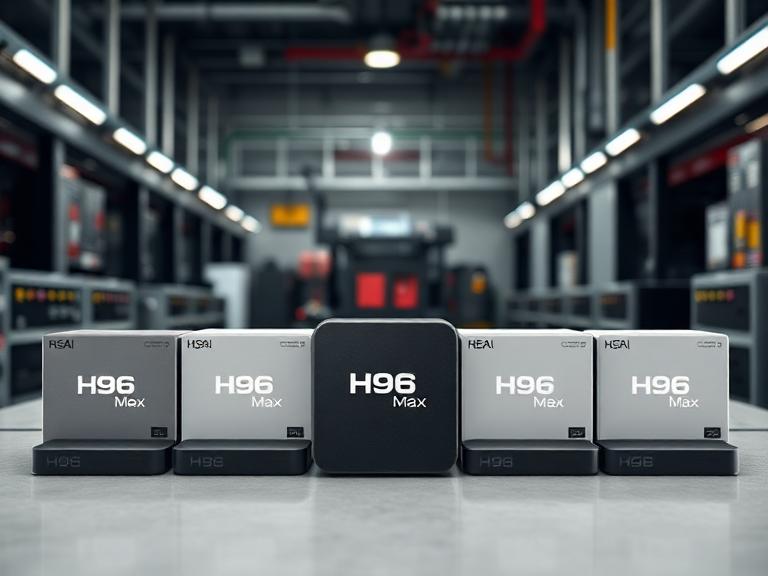
Comprehensive Guide for B2B Buyers Choosing Android Box OEM Manufacturers for Scalable Deployment
For modern enterprises, the Android Box is no longer a simple consumer gadget—it’s an essential digital infrastructure component. Businesses rely on Android Box technology to power IPTV, digital signage, conferencing systems, and smart retail networks. As B2B buyers plan OEM projects and mass deployments, selecting a trustworthy and scalable Android Box supplier is critical for achieving operational efficiency and long-term success.
1. Defining Hardware Reliability for Enterprise Operations
The foundation of a successful OEM deployment begins with hardware reliability. Enterprise-level Android Boxes built with chipsets like Rockchip RK3588 and Amlogic S928X deliver stable 8K playback, AI-powered processing, and multitasking performance. To ensure consistent uptime, devices should integrate DDR5 memory, high-end eMMC or SSD storage, and efficient heat dissipation structures using aluminum or magnesium alloys.
Buyers should review suppliers’ quality control certifications and long-term stress testing results. Devices passing vibration, humidity, and temperature tolerance assessments are better suited for industrial or public installations that run continuously.
2. Firmware Quality and Customization Capability
A well-engineered firmware ensures seamless operation and long-term adaptability. OEM-ready Android Box models should support Over-The-Air (OTA) updates, modular firmware structures, and secure rollback functions. This framework guarantees smooth remote management and compatibility across versions during wide-scale deployments.
Partnering with an OEM that offers firmware customization—such as UI design, pre-installed apps, and API integration—adds brand value and technical flexibility. Leading suppliers also provide long-term firmware support to ensure devices remain compatible with evolving software ecosystems.
3. Network Infrastructure and Connectivity Standards
Modern B2B systems require high-speed, reliable connectivity. Android Box OEM solutions should include Gigabit Ethernet, dual-band Wi-Fi 6, Bluetooth 5.2, and optional 4G/5G modules. These connectivity features enable enterprises to deploy the devices in various environments—from smart hotels to corporate conference networks—while maintaining stable real-time data exchange.
For mass deployments, devices must also support VPN, IPv6, and cloud-based management tools. These functions provide IT teams with centralized access, making system-wide updates, monitoring, and troubleshooting easier across distributed installations.
4. Data Security and Compliance Requirements
Security compliance is non-negotiable in enterprise operations. Buyers must verify that the Android Box OEM adheres to international standards such as CE, FCC, and RoHS. Hardware encryption, Secure Boot, and DRM licensing help protect data and intellectual property from external threats.
Enterprises dealing with sensitive content should also look for products with Trusted Platform Modules (TPM) and cloud-level authentication mechanisms. Transparent reporting and traceable firmware releases from manufacturers minimize risks and ensure regulatory compliance worldwide.
5. OEM Customization and Branding for Market Differentiation
Customization plays a key role in building market identity. Through OEM cooperation, businesses can modify the Android Box boot logo, system theme, app suite, and hardware casing to reflect their brand identity. For enterprise solutions, white-label firmware options also allow remote access management and branding control from a unified interface.
B2B buyers targeting multiple international markets should collaborate with manufacturers offering multilingual firmware and regional network certification, ensuring broader market reach with localized user experience.
6. Assessing Supplier Scalability and Supply Chain Strength
A scalable supply chain ensures timely delivery and consistent quality. Reliable OEM Android Box suppliers maintain automated production lines, dedicated QA departments, and global logistics networks. With production facilities spanning multiple regions, companies like H96 Max achieve faster turnaround times and mitigate component shortages effectively.
For high-volume orders, buyers should request detailed lead time estimates, warehouse capacity data, and inventory control systems to validate the manufacturer’s readiness for long-term collaboration.
7. Cloud Integration and Software Ecosystem Compatibility
Enterprises require devices that integrate seamlessly into their digital ecosystem. Android Boxes supporting RESTful APIs, MQTT, or WebSocket protocols allow synchronization with content management systems, IoT dashboards, and data analytics platforms. This enables real-time insights and streamlined device control across diverse operational setups.
Additionally, cloud compatibility ensures secure communication between devices and servers. This integration simplifies scaling from a few hundred to tens of thousands of deployed units without major infrastructure adjustments.
8. Evaluating Long-Term Cost Efficiency
While price is a deciding factor, evaluating total cost efficiency delivers better long-term ROI. Buyers should account for power consumption, maintenance costs, software update frequency, and warranty coverage. Energy-efficient Android Box models leveraging ARM architecture can operate 24/7 while minimizing operational expenses and carbon footprint.
OEM vendors offering bundled technical support and extended warranties add measurable value to enterprise buyers by lowering future servicing costs and optimizing device lifespan.
9. Sustainability and Green Manufacturing Commitment
Sustainability is becoming a defining factor in B2B procurement. Choosing Android Box manufacturers that follow eco-friendly practices—such as recyclable materials, energy-efficient assembly lines, and lead-free soldering—aligns with global ESG goals. Suppliers with ISO 14001 certification demonstrate responsible production and adherence to environmental regulations.
Green-focused production not only enhances brand reputation but also appeals to environmentally conscious clients and partners worldwide.
10. Partnering with H96 Max for Scalable Android Box OEM Projects
For organizations planning global deployment, selecting a trusted Android Box OEM partner is the cornerstone of success. H96 Max offers over 2,000 completed OEM/ODM projects, shipping more than 5,000,000 Android TV Boxes annually across 150+ countries. With 50+ warehouses worldwide, the brand guarantees timely delivery, strong after-sales service, and deep customization capability.
Partner with H96 Max today to build scalable, high-performance Android Box solutions that redefine efficiency, quality, and global reach in your enterprise ecosystem.
READ MORE
Expert Guide for B2B Buyers Choosing Android Box OEM Partners
In-Depth Analysis for B2B Buyers Choosing Android Box OEM Partners
Comprehensive Factors B2B Buyers Should Evaluate When Selecting Android Box OEM Manufacturers
Essential Insights for Selecting Reliable Android Box OEM Partners
Key Elements B2B Buyers Should Evaluate in Android Box OEM Partnerships
Strategic Factors for Selecting Android Box OEM Partners for Enterprise Expansion
Key Criteria for Choosing Android Box OEM Partners in Global B2B Projects
How to Select Android Box Suppliers for OEM and Large-Scale Enterprise Deployment
What B2B Buyers Should Know Before Choosing an Android Box for OEM Projects
Quick Links

.png "Watch H96 Max Android TV Box reviews on our YouTube channel")

.png "Explore H96 Max product photos on Instagram")