.png "H96 Max Android TV Box video reviews and tutorials on YouTube")
.png "H96 Max Android TV Box photos and lifestyle shots on Instagram")



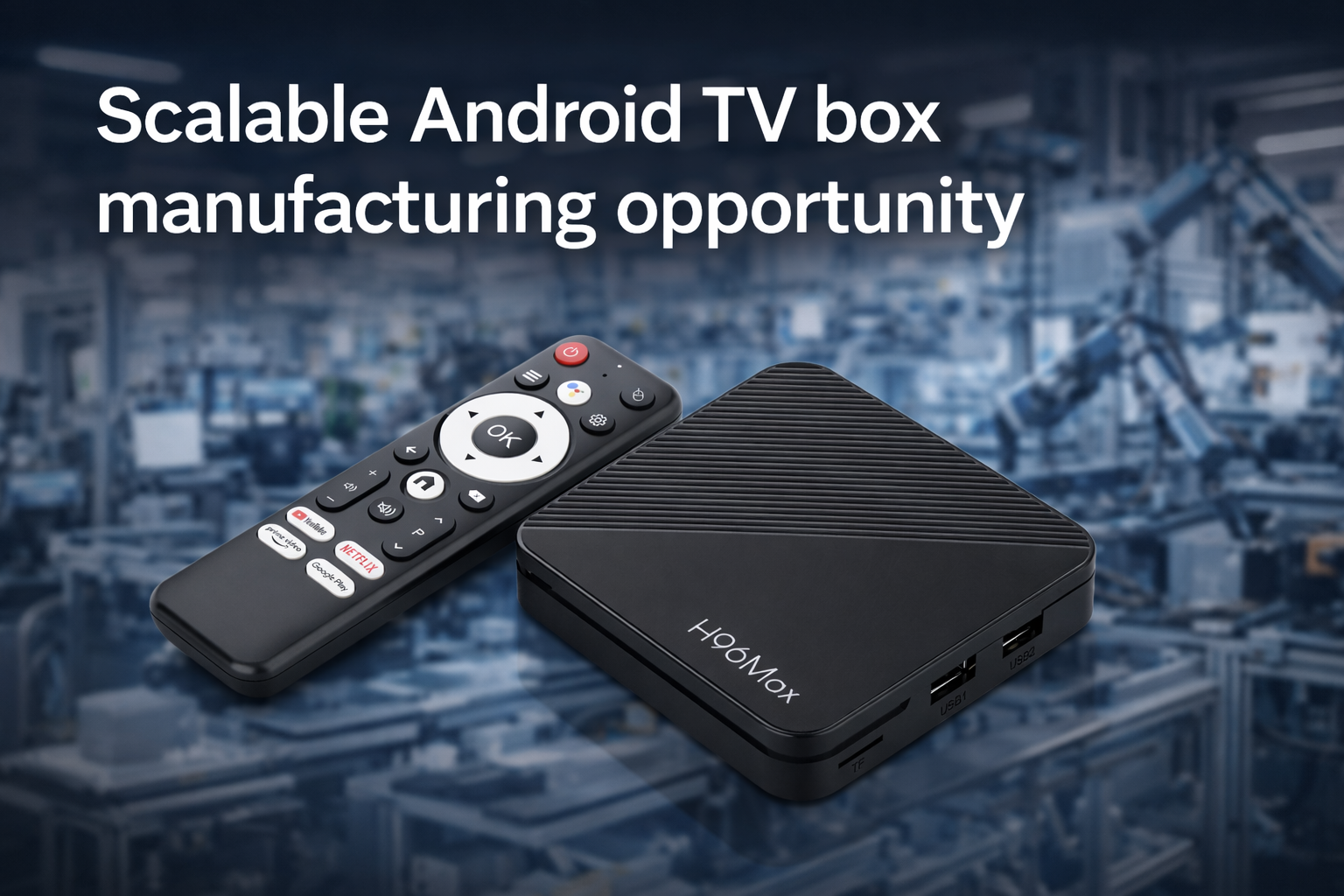
Can a $100,000 Investment in Android TV Box Business 2026 Still Break Even?
The Android TV box business 2026 is at a turning point. As streaming media continues to expand and consumer demand for smart devices rises globally, entrepreneurs are increasingly asking: “Is it possible to start an Android TV box business in 2026 with an investment of $100,000 and actually achieve a return on investment?” This question is more relevant than ever, as competition intensifies and technology rapidly evolves. Throughout this article, we will explore the real cost breakdown, key industry trends, and authoritative data to determine if this investment makes sense for manufacturers, resellers, or new market entrants.
The Landscape of Android TV Box Business 2026
The smart TV device sector has seen consistent double-digit growth over the past five years, driven by rising consumer appetite for affordable streaming hardware. According to Grand View Research, the global smart TV box market is expected to reach over $5.2 billion by 2026, with Android TV box products capturing a substantial share due to their flexibility, customization options, and OEM support. Media sources such as TechCrunch and Statista underline this demand surge, reporting that, despite global supply chain challenges, the market has remained resilient and is forecast to grow further with the expansion of OTT (over-the-top) content consumption.
One critical trend shaping 2026 is the shift towards highly customized OEM Android TV box factory services, allowing brands to quickly differentiate themselves. At the same time, there is greater pressure on cost control and profitability as price competition and technology cycles accelerate.
Project Cost Structure – Where Does the $100,000 Go?
Understanding the Android TV box manufacturing cost is crucial for any investor. A typical $100,000 initial investment must cover several major expense categories:
Hardware Development & Prototyping: Designing a competitive Android TV box in 2026 requires investment in chipset sourcing, RAM/storage selection, and custom PCB layouts. Based on 2025 data from Digitimes, R&D and prototyping alone often consume 12-18% of initial budgets.
Licensing and Certifications: Entering the Android TV box OEM manufacturing sector requires compliance with industry standards (CE, FCC, RoHS) and Google certification, which can account for $7,000-$15,000 per product line, depending on target markets.
Tooling and Molds: OEM Android TV box factories typically require new molds for custom enclosures, costing $8,000–$20,000, especially if aiming for unique, premium design.
Bulk Component Procurement: Sourcing SoCs, memory modules, WiFi chips, and other components (often via OEM partnerships) consumes the lion’s share of capital—usually 35-45%. Market volatility in 2024-2026, as reported by IC Insights, has made accurate forecasting critical.
Assembly and Quality Control: High-quality Android TV box OEM manufacturing needs reliable labor and automated testing lines, costing around 10-15% of startup budgets.
Packaging and Logistics: To access the Android TV box wholesale market, packaging must meet retailer requirements. Initial packaging design and the first shipment to warehouses can use 8-10% of funds.
Marketing, Channel Development, and After-Sales: Budget allocation for initial online campaigns, B2B trade shows, and channel onboarding—often underestimated—can require $10,000–$15,000 for effective launch.
Summary Table:
Hardware R&D & prototyping: $12,000–$18,000
Licensing & certification: $7,000–$15,000
Tooling & molds: $8,000–$20,000
Component procurement: $35,000–$45,000
Assembly & QC: $10,000–$15,000
Packaging/logistics: $8,000–$10,000
Marketing/channel dev: $10,000–$15,000
This breakdown clarifies that a $100,000 budget must be managed carefully to achieve ROI, with tight control over supplier negotiations, production yields, and market entry strategies.
Industry Trends, Pain Points, and Media Insights
The Android TV box business 2026 is affected by several pain points:
Shrinking Profit Margins: According to Statista’s 2025 report, the average Android TV box profit margin has dropped from 18% in 2020 to 11-13% in 2026, mainly due to rising component costs and aggressive competition from low-cost producers.
OEM/ODM Evolution: OEM Android TV box factory services are increasingly expected to deliver rapid customization. Media outlets like Digital Trends note that brands now demand quicker turnaround from design to delivery—sometimes as little as 8 weeks—which increases stress on capital and logistics planning.
Global Supply Chain Volatility: The ongoing effects of pandemic-era shortages continue to impact bulk component pricing and delivery timelines. IC Insights estimates that some critical chipsets have seen price increases of 22-30% since 2024.
Regulatory Complexity: Entering new markets (EU, North America, Southeast Asia) means navigating complex compliance and certification, slowing down ROI if not planned for.
Shifting Consumer Preferences: TechCrunch’s 2025 survey shows that buyers are prioritizing features like 4K/8K decoding, AI voice integration, and energy efficiency—requiring higher R&D spend.
Profitability and Break-Even Analysis
Is Android TV box business profitable in 2026? The answer: It depends heavily on execution and market strategy.
Break-Even Calculation:
Average unit cost (2026): $27–$33 (includes all production, logistics, and channel costs)
Average wholesale price: $38–$45
Projected volume to break even: 2,400–2,800 units (assuming 13% net margin after all expenses)
Industry data from Frost & Sullivan confirms that the Android TV box wholesale market remains attractive for differentiated brands, but break-even is increasingly reliant on scale and efficient cost control.
How much does it cost to start an Android TV box factory in 2026? Beyond the initial $100,000, scaling up production and accessing international channels may require further investment in working capital, inventory, and compliance—up to an additional $50,000–$70,000 for aggressive expansion.
Actionable Insights for Investors and Decision Makers
Maximize OEM/ODM Partnerships: Engage with Android TV box OEM manufacturing experts to leverage existing supply chains, minimize upfront tooling costs, and speed up market entry.
Data-Driven Forecasting: Use authoritative industry data to negotiate supply contracts and hedge against component price volatility.
Focus on Differentiation: Successful market entry in 2026 is not just about low price—it’s about offering unique features or supporting emerging media platforms.
Prioritize Compliance: Plan ahead for certification, and consider compliance as a long-term investment, not a last-minute hurdle.
Balance Risk and Scale: Start with pilot production runs to test product-market fit, then scale with confidence.
Conclusion and Strategic Next Steps
Entering the Android TV box business 2026 with $100,000 is possible, but success hinges on tight cost management, smart partnerships, and accurate market positioning. For investors, manufacturers, and brands, understanding the real Android TV box manufacturing cost and profit margin landscape is more important than ever. With industry trends pointing to higher customization and leaner margins, only those who combine professionalism with agility will thrive.
If you are ready to take the next step or need a reliable OEM Android TV box factory partner to minimize risk and maximize value, contact H96 Max original factory for direct collaboration and in-depth consultation.
READ MORE
2026 Android TV Box: Pathways from One-Time Orders to Sustainable Profits
2026 Android TV Box Project: Should You Choose Bulk Orders or High Margin?
How Can Android TV Box Factories Increase the Lifetime Value of Each Client in 2026?
2026 OEM Order Types Most Likely to Convert for Android TV Box
2026 Android TV Box Long-term B2B Customer Profitability Analysis
How to Steer Clear of Low-Profit Clients in the 2026 Android TV Box Project
How to Identify High-Quality Clients for Android TV Box Manufacturers in 2026
Who Will Win the Android TV Box Race in 2026: Wholesalers, Brand Owners, or Channel Partners?
Which Overseas Clients Will Profit Most from Android TV Box Projects in 2026?
Quick Links

.png "Watch H96 Max Android TV Box reviews on our YouTube channel")

.png "Explore H96 Max product photos on Instagram")