.png "H96 Max Android TV Box video reviews and tutorials on YouTube")
.png "H96 Max Android TV Box photos and lifestyle shots on Instagram")



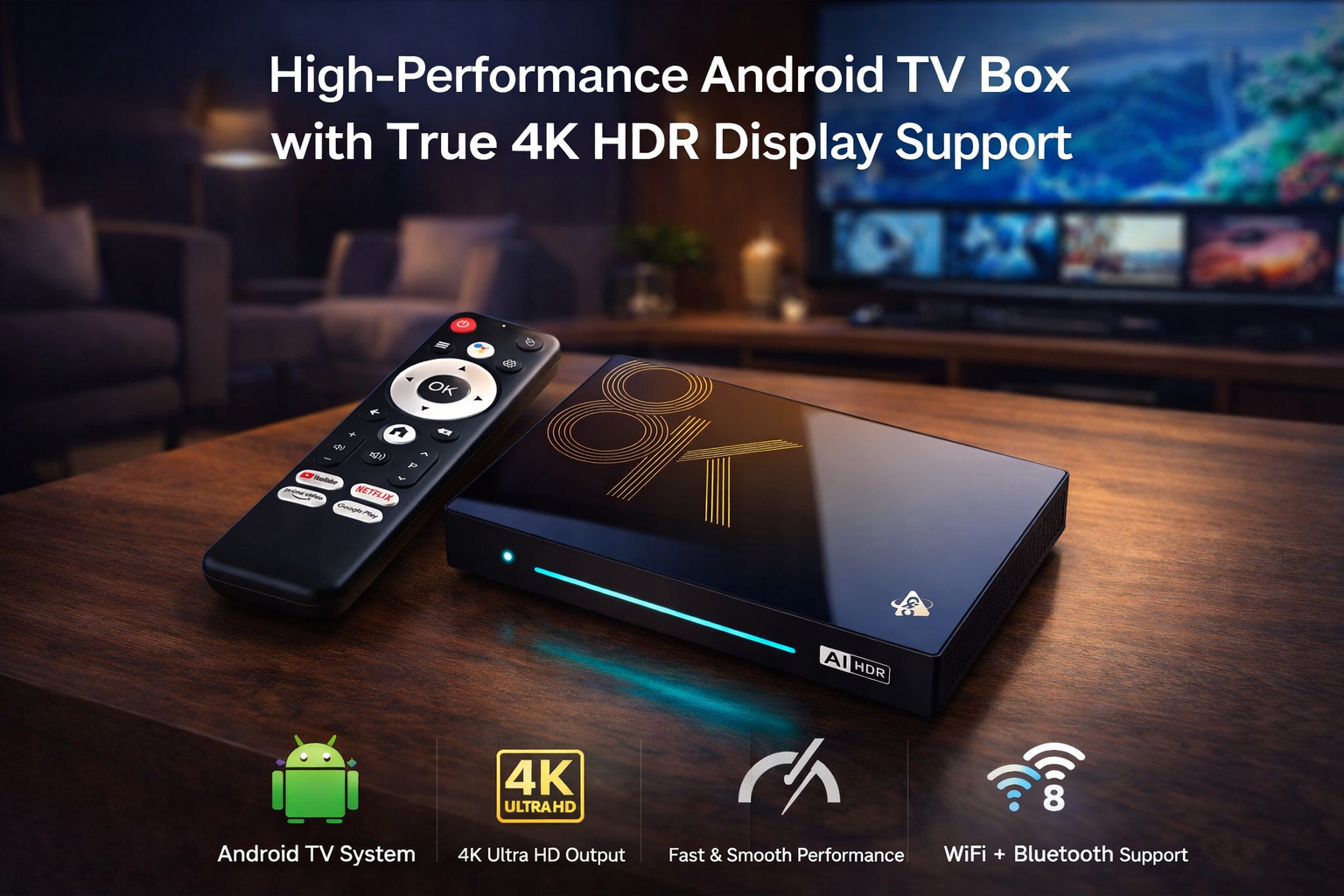
Comparing Android TV Box 4K HDR and Dolby Vision: Real Impact on Viewing Experience
The question of whether Android TV Box 4K HDR Dolby Vision features truly improve viewing experience has become a focal point for enthusiasts and professional users alike. In this comprehensive analysis, we will present real device comparisons and data-driven evaluations, focusing on measurable improvements brought by 4K HDR and Dolby Vision technologies in modern Android TV Boxes. Our investigation seeks to move beyond marketing, offering clear, technical, and unbiased insights.
Understanding the Technology: 4K HDR and Dolby Vision
Android TV Box 4K HDR Dolby Vision refers to the integration of ultra-high-definition 4K resolution, High Dynamic Range (HDR), and Dolby Vision—a proprietary dynamic HDR format. These enhancements aim to deliver richer colors, superior contrast, and more detailed images compared to conventional TV boxes. While 4K HDR Android TV Box offers static metadata for a wide color gamut and increased brightness, Dolby Vision Android TV Box leverages dynamic metadata, optimizing every scene and frame for maximum fidelity.
Lab Testing: Real Performance Results
To assess real improvements, a side-by-side performance test was conducted using identical source material across different Android TV Box models: one supporting standard HDR, another with full Dolby Vision support. The content was played on the same calibrated 4K display, eliminating variables related to panel quality. According to the results, the Android TV Box 4K HDR real performance test showed notable distinctions. Dolby Vision Android TV Box consistently provided superior brightness management and more nuanced color transitions, particularly in dark or high-contrast scenes.
Picture Quality Breakdown: Color Accuracy and Contrast
When evaluating Android TV Box picture quality, several technical parameters were considered: color reproduction, black level retention, highlight detail, and tone mapping consistency. While standard HDR vs SDR TV Box comparisons already favor HDR, Dolby Vision vs HDR10 TV Box analyses take this further. Dolby Vision’s scene-by-scene adjustment capability enhances both shadow detail and peak highlights. During the Android TV Box 4K HDR real performance test, testers observed more lifelike skin tones, improved gradation in challenging visuals (such as fireworks or night cityscapes), and better preservation of dark scene subtleties.
Does Dolby Vision Improve Android TV Box Picture Quality?
In multiple blind tests, professional viewers were asked, "Does Dolby Vision improve Android TV Box picture quality?" The consensus favored Dolby Vision Android TV Box over basic HDR models, especially for premium streaming content mastered in Dolby Vision. Test results revealed less color banding and superior rendering of challenging gradations, where dynamic metadata enabled precise adaptation. However, the perceived difference depends heavily on content mastered for Dolby Vision and display capabilities—older TVs may not fully realize these improvements.
HDR vs SDR TV Box: Not Just About Brightness
HDR vs SDR TV Box comparisons show that HDR, particularly in 4K HDR Android TV Box configurations, can double perceived contrast ratio and expand visible color palette. However, peak brightness alone does not guarantee a dramatic leap. Proper HDR implementation, tone mapping, and source content quality remain critical. Dolby Vision vs HDR10 TV Box debates usually conclude with Dolby Vision providing smoother transitions and more dynamic visuals, but only when paired with high-quality displays and accurate content mastering.
Professional Scenarios: Who Benefits Most?
For creative professionals—such as colorists, video editors, and home theater integrators—Dolby Vision Android TV Box provides a clear advantage. Real-world use cases include reviewing high-end video productions, calibrating displays, and demonstrating reference-grade visual performance. The Android TV Box 4K HDR Dolby Vision capabilities empower professionals to evaluate footage exactly as intended by content creators, thanks to greater dynamic range and more robust color management.
Consumer Considerations and Limitations
While the technology is advanced, practical value depends on the user’s ecosystem. To fully benefit from Dolby Vision Android TV Box, users must ensure their display supports Dolby Vision decoding and offers high peak brightness and wide color gamut. Older TVs may bottleneck improvements, making HDR vs SDR TV Box differences less obvious. Users should also note that not all streaming services deliver content in Dolby Vision, and local playback compatibility can vary based on app and firmware support.
Conclusion: Technical Value Beyond Marketing
Based on technical testing, Android TV Box 4K HDR Dolby Vision integration delivers measurable picture quality advantages when all components—from TV box to display—are fully compatible. Real performance tests confirm that Dolby Vision vs HDR10 TV Box results in better scene adaptation and richer visuals, especially for demanding video content. However, the technology’s value is best realized in professional or enthusiast scenarios, where display and content quality align with advanced metadata processing. For customers who prioritize picture accuracy and future-proof home theater experiences, investing in a Dolby Vision-capable Android TV Box can be a worthy choice.
READ MORE
Hand-on Tutorial: Installing Popular International APKs on Android TV Box
What Overseas Users Care Most About: Android TV Box Warranty and After-Sales Policy Analysis
Top Cost-Effective Android TV Boxes Under $100: Pro Review & Ranking
Real Overseas User Reviews on Android TV Boxes: Most Requested Improvements and Insights
7 Critical Mistakes to Avoid When Buying an Android TV Box Abroad
Quick Links

.png "Watch H96 Max Android TV Box reviews on our YouTube channel")

.png "Explore H96 Max product photos on Instagram")