.png "H96 Max Android TV Box video reviews and tutorials on YouTube")
.png "H96 Max Android TV Box photos and lifestyle shots on Instagram")



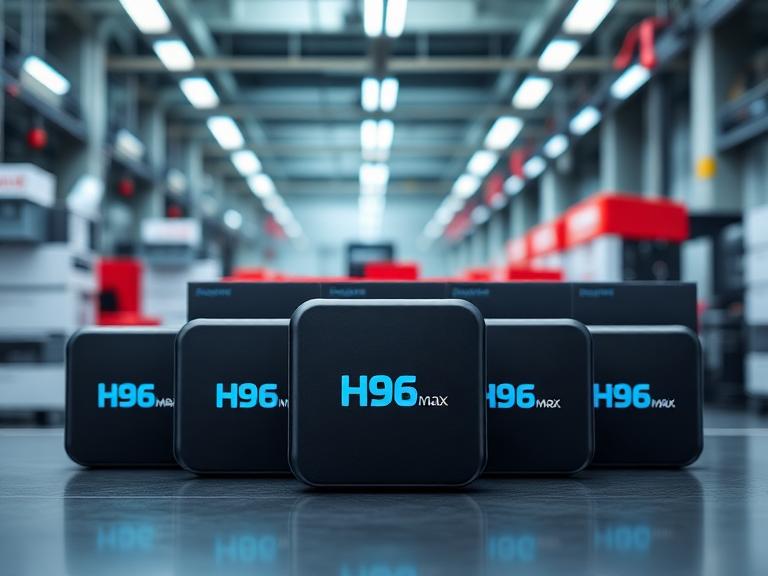
Driving Innovation: The Future of OEM TV Box Development and Global Sourcing
As the smart entertainment industry evolves, the TV Box stands at the forefront of technological transformation. OEM sourcing for these devices now goes beyond basic hardware assembly—it’s about integrating AI, edge computing, and cloud-based ecosystems to deliver smarter, faster, and more connected experiences. For manufacturers and global distributors, embracing innovation has become essential to maintain competitiveness and meet rising consumer expectations. This article explores the key technological and strategic trends shaping the future of OEM TV Box production and sourcing.
1. The Evolution of the Smart TV Box
The modern TV Box has evolved from a simple streaming device into a central hub for entertainment, gaming, and home automation. This transformation reflects the convergence of AI-powered content recommendation, cross-device synchronization, and 8K ultra-high-definition support. As consumer behavior shifts toward personalization, OEM manufacturers are incorporating adaptive interfaces and intelligent firmware to enhance user engagement.
Future TV Boxes will continue to integrate smart home functions—serving as gateways for IoT control and voice-assistant management. This shift represents a significant opportunity for OEM brands to expand their market presence through innovation-driven differentiation.
2. AI Integration and Predictive Performance
Artificial intelligence is reshaping the capabilities of TV Boxes. From AI-powered video upscaling to predictive content loading, smart algorithms improve both visual quality and responsiveness. OEM factories integrating machine learning frameworks within firmware design can optimize memory allocation and processing efficiency. These advancements lead to smoother playback, faster app launches, and adaptive performance tuning.
Additionally, AI-driven analytics help brands understand usage patterns and improve feature updates, enabling data-informed decision-making for future firmware iterations.
3. The Rise of Edge Computing
Edge computing is transforming the performance architecture of modern TV Boxes. By processing data locally rather than in the cloud, edge-enabled devices reduce latency and enhance real-time functionality. This is particularly important for applications like cloud gaming, live streaming, and smart surveillance. OEM suppliers implementing edge computing capabilities in their designs deliver faster, more reliable devices that align with the future of interactive media.
Incorporating these technologies requires collaboration between hardware and software engineering teams. Chipsets such as Rockchip RK3588 and Amlogic S928X are already optimized for AI and edge workloads, allowing manufacturers to deliver next-generation performance without excessive cost increases.
4. Cloud Integration and Streaming Ecosystems
The TV Box market is increasingly dependent on cloud-based ecosystems. By integrating platforms like Google Cloud, Amazon AWS, and Tencent Cloud, OEM manufacturers enable seamless synchronization between devices and applications. Cloud integration allows for remote updates, data storage, and real-time monitoring, improving overall system stability and reducing maintenance overhead.
For B2B clients, cloud-connected TV Boxes create scalable business models through subscription-based services and remote content delivery, opening new revenue opportunities in OTT and digital signage sectors.
5. Sustainable Design and Green Manufacturing
Sustainability has become a defining factor in modern OEM sourcing. Forward-thinking TV Box manufacturers are adopting eco-friendly production processes, recyclable materials, and energy-efficient chipsets to reduce environmental impact. Integrating green manufacturing principles not only aligns with global ESG standards but also enhances brand credibility among environmentally conscious consumers.
Low-power components, minimal packaging, and extended firmware lifecycle management all contribute to reduced carbon footprints and lower waste in the production chain.
6. Advanced Connectivity and Future Protocols
Connectivity defines the user experience in the digital era. The next generation of Android TV Boxes will feature Wi-Fi 7, Bluetooth 5.3, and 10GbE Ethernet, ensuring ultra-low latency and stable streaming performance. OEM clients should evaluate suppliers’ readiness to adopt these standards, as they directly impact the competitiveness of upcoming product lines.
Support for HDMI 2.1, AV1 video decoding, and HDR10+ ensures compatibility with evolving media ecosystems, enabling smoother transitions into future market demands.
7. R&D Collaboration and Innovation Pipelines
Innovation thrives in collaboration. OEM sourcing strategies that encourage co-development between brands and TV Box factories foster faster prototyping and agile adaptation to emerging technologies. Establishing joint R&D programs ensures that new models incorporate cutting-edge features such as multi-screen casting, AI assistants, and immersive content interaction.
Forward-thinking manufacturers allocate significant budgets to innovation pipelines, allowing clients to stay ahead of competitors and capitalize on shifting technology cycles.
8. Market Customization and Regional Adaptation
Global distribution requires regional awareness. OEM smart TV Box providers should tailor firmware, interface design, and app ecosystems based on local consumer behavior and content preferences. For instance, Latin American markets prioritize IPTV compatibility, while Asian markets demand multi-language UI and mobile app integration. Adaptable software frameworks empower businesses to cater to these diverse needs seamlessly.
Regional customization strengthens brand relevance and accelerates adoption in target territories.
9. Security, Privacy, and Data Protection
As connectivity expands, so does the need for robust security. A trusted OEM TV Box supplier must implement secure boot processes, encrypted firmware updates, and compliance with GDPR and ISO 27001 standards. Protecting user data builds confidence and reduces risks for distributors operating in privacy-sensitive markets. Businesses must prioritize long-term partnerships with factories that integrate cybersecurity at the firmware level.
10. The Future of OEM Partnerships
The OEM model is evolving toward collaborative innovation ecosystems where manufacturers and brands share not just production, but also data insights and R&D intelligence. This partnership-driven approach fosters mutual growth and resilience in competitive markets. Future OEM strategies will rely heavily on innovation, sustainability, and digital transparency to build trusted, long-term supplier relationships.
In conclusion, the next wave of TV Box innovation will be defined by AI integration, sustainable design, and intelligent connectivity. Businesses that align with forward-looking OEM suppliers will not only enhance product performance but also future-proof their brand for the smart entertainment era.
Partner with H96 Max—a global OEM leader in Android TV Box manufacturing, shipping over 5,000,000 units annually through 50+ worldwide warehouses across 150+ countries. Join us to co-develop your next-generation smart TV Box with advanced technologies, efficient logistics, and unparalleled customization support.
READ MORE
Achieving Scalability and Sustainability in OEM TV Box Sourcing
Key Factors When Sourcing TV Boxes for OEM and Bulk Projects
Quick Links

.png "Watch H96 Max Android TV Box reviews on our YouTube channel")

.png "Explore H96 Max product photos on Instagram")