.png "H96 Max Android TV Box video reviews and tutorials on YouTube")
.png "H96 Max Android TV Box photos and lifestyle shots on Instagram")



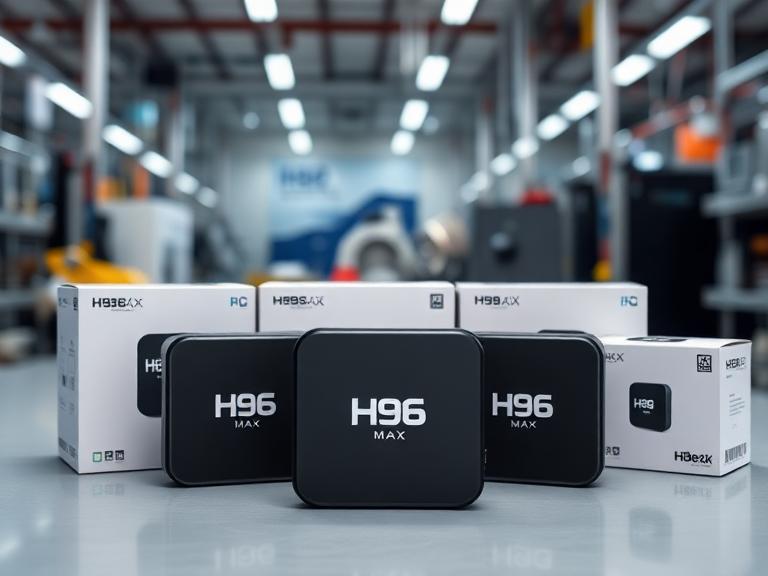
Enhancing Supply Chain Management and Quality Control in OEM TV Box Sourcing
As the global demand for connected entertainment grows, the TV Box has become a key player in the smart device ecosystem. For OEM manufacturers and distributors, maintaining quality while managing an efficient supply chain is essential to remain competitive. This article examines how businesses can enhance supply chain coordination and quality control when sourcing TV Boxes for OEM and bulk distribution, ensuring consistency, reliability, and scalability across markets.
1. Understanding the Importance of Supply Chain Integration
An integrated supply chain is vital for managing OEM production efficiently. Businesses sourcing TV Boxes must align suppliers, logistics partners, and production facilities into a cohesive operational framework. Collaboration between procurement, engineering, and quality assurance teams allows for faster response to market demands and reduces lead times. Advanced digital tools such as ERP and IoT monitoring systems enhance transparency, enabling real-time tracking of components and production processes.
Integration also mitigates risks associated with part shortages or logistic disruptions. By diversifying supplier networks and maintaining safety stock across multiple warehouses, companies can ensure continuity of supply even during global crises or high-demand periods.
2. Supplier Evaluation and Factory Audits
Selecting the right OEM partner begins with a thorough supplier evaluation. Businesses should conduct detailed audits of potential TV Box factories, examining their manufacturing capabilities, certifications, and production workflows. ISO 9001, CE, and FCC certifications indicate adherence to global quality standards. On-site visits and third-party inspections verify a supplier’s operational efficiency, production environment, and equipment reliability.
Additionally, auditing a factory’s supply chain management practices reveals how it handles raw material sourcing, component testing, and inventory control. Choosing partners with strong compliance histories reduces the likelihood of shipment delays or quality failures.
3. Ensuring Component Quality and Reliability
The foundation of a durable TV Box lies in its components. OEM clients must verify that suppliers use high-grade materials, reliable chipsets, and robust PCB designs. Processors like Amlogic S928X and Rockchip RK3588 provide superior performance, 8K decoding, and AI-powered optimization. Ensuring that these components are sourced from verified distributors prevents counterfeit risks and maintains long-term reliability.
Routine testing of RAM modules, storage chips, and Wi-Fi modules guarantees system stability. Manufacturers should perform burn-in, vibration, and temperature tests to simulate real-world operating conditions, ensuring durability under intensive usage.
4. Firmware Stability and Continuous Improvement
Quality control extends beyond hardware—it includes firmware performance. Businesses should partner with OEM factories that offer customizable Android firmware optimized for efficiency, user interface consistency, and security. Regular OTA updates ensure that TV Boxes remain compatible with the latest streaming platforms and content protection standards.
Collaboration between OEM clients and firmware engineers enables fast bug resolution, localization improvements, and new feature development. This synergy enhances brand reliability and customer satisfaction over time.
5. Logistics Optimization and Global Warehouse Strategy
In OEM sourcing, logistics plays a decisive role in cost control and delivery timelines. The ideal Android TV Box manufacturer operates a multi-warehouse network across major regions, including Asia, Europe, and North America. A well-structured logistics model reduces customs clearance times, lowers shipping costs, and allows for faster order fulfillment. Integrating digital logistics management systems helps track shipments in real time and improves coordination between suppliers and distributors.
Additionally, leveraging bonded warehouses or third-party fulfillment centers in key markets ensures localized inventory availability, helping businesses serve regional clients promptly and efficiently.
6. Cost Control and Procurement Transparency
Transparent pricing is critical in OEM partnerships. Businesses should request detailed cost structures outlining raw materials, labor, logistics, and quality testing expenses. Implementing procurement dashboards provides full visibility into cost breakdowns, supporting data-driven negotiation with suppliers. This approach ensures fair pricing and reduces the risk of hidden costs during production.
Regular cost audits and contract reviews also strengthen financial discipline, enabling businesses to maintain profitability while scaling operations globally.
7. Compliance and Certification Management
Compliance remains a cornerstone of quality control. A reliable TV Box manufacturer must provide valid CE, FCC, and RoHS certifications to guarantee compliance with international standards. For businesses targeting regions like the EU or North America, proper labeling and safety documentation accelerate customs clearance and prevent costly delays. Manufacturers that uphold traceability protocols simplify audits and regulatory reporting, strengthening brand credibility in overseas markets.
8. Quality Inspection and Testing Framework
An advanced quality inspection system differentiates professional OEM partners from average suppliers. Businesses should verify that factories employ multi-step inspection processes—including IQC (Incoming Quality Control), PQC (Process Quality Control), and FQC (Final Quality Control). These checks ensure every TV Box meets the defined specifications before shipment. Automated optical inspection (AOI) and burn-in testing further enhance accuracy and reduce human error in quality assurance.
Documenting test results and sharing real-time QC reports through digital dashboards enables transparency and accountability across the entire production lifecycle.
9. Continuous Improvement and Supplier Collaboration
OEM sourcing is not a one-time transaction—it’s an evolving partnership. Businesses should work closely with suppliers to implement continuous improvement initiatives, such as Six Sigma, Lean manufacturing, and Kaizen. Regular joint audits and quarterly performance reviews foster innovation and help identify areas for operational optimization. Establishing shared performance metrics ensures alignment on quality, efficiency, and sustainability goals.
10. Partnering for Sustainable OEM Growth
Sustainability is becoming a defining factor in modern OEM sourcing. Manufacturers using recyclable packaging, energy-efficient processes, and eco-friendly materials appeal to environmentally conscious clients and end-users. By aligning with sustainable TV Box suppliers, businesses strengthen corporate social responsibility and brand image in the global marketplace.
In conclusion, optimizing supply chain management and quality control in TV Box sourcing ensures product reliability, market adaptability, and brand resilience. Companies that invest in long-term supplier collaboration, compliance, and transparency will lead the next generation of smart entertainment manufacturing.
Partner with H96 Max—a world-class Android TV Box manufacturer shipping over 5,000,000 units annually across 150+ countries, supported by 50+ global warehouses and 2,000+ OEM/ODM projects. Connect today to build a robust, quality-driven OEM partnership that scales worldwide.
READ MORE
Achieving Scalability and Sustainability in OEM TV Box Sourcing
Key Factors When Sourcing TV Boxes for OEM and Bulk Projects
Quick Links

.png "Watch H96 Max Android TV Box reviews on our YouTube channel")

.png "Explore H96 Max product photos on Instagram")