.png "H96 Max Android TV Box video reviews and tutorials on YouTube")
.png "H96 Max Android TV Box photos and lifestyle shots on Instagram")



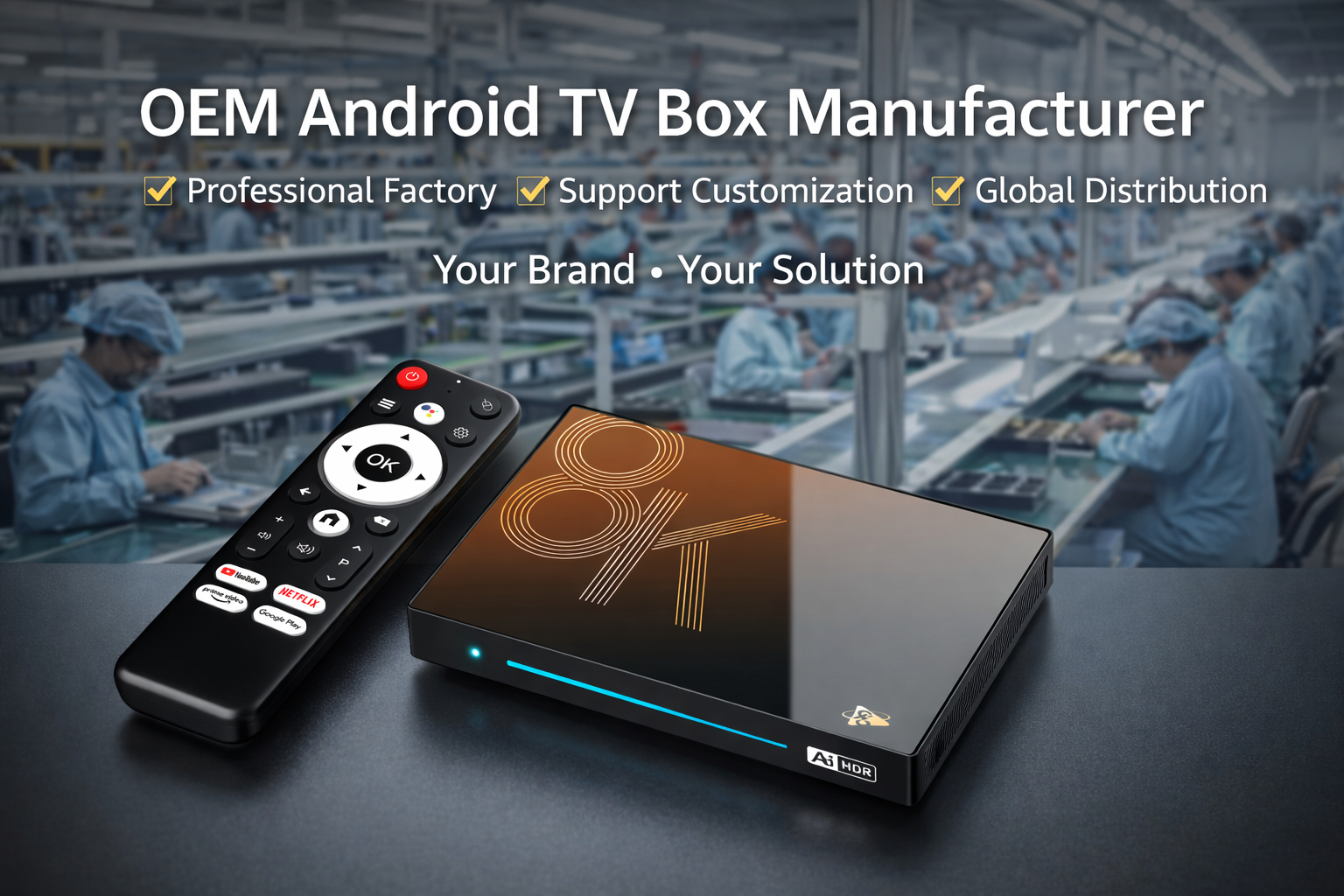
Common Sourcing Errors That Undermine Android TV Box Procurement Success
Below are five of the most common mistakes when sourcing Android TV Box that repeatedly damage distributors, brand owners, and importers worldwide.
1. Focusing Only on the Lowest Price
The most frequent error buyers make is equating the lowest quotation with the best deal. While competitive pricing is important, selecting an Android TV Box Supplier based purely on price often hides future costs.
Low prices frequently result from reduced component quality, inconsistent PCB assembly standards, limited aging test procedures, and weak after-sales support. Industry data from consumer electronics warranty research shows that defective return rates can rise significantly when production quality control is reduced to cut costs. A few dollars saved per unit can translate into substantial logistics, replacement, and reputation damage expenses later.
A professional Android TV Box factory typically balances cost structure with strict quality control processes, including aging tests, burn-in testing, and component traceability. Buyers should calculate total cost of ownership rather than just EXW price. Freight, customs, warranty replacements, and brand damage must all be considered.
2. Over-Specifying Hardware Without Market Alignment
Another common misconception is that higher configuration automatically leads to higher sales. Many importers demand maximum RAM, fastest chipsets, and top-tier features without analyzing actual consumer behavior in their target market.
Blindly upgrading to flagship-level processors may increase cost by 15–30%, yet consumer demand in many emerging markets prioritizes stable streaming performance over extreme benchmark scores. Reports from media analysts consistently show that mid-range performance devices often dominate sales volume globally.
An experienced Android TV Box manufacturer understands chipset positioning, system optimization, and target segmentation. Instead of chasing specifications, buyers should evaluate local internet infrastructure, target price sensitivity, app compatibility requirements, and real usage scenarios. This strategic evaluation is central to understanding how to choose a reliable Android TV Box supplier who provides market-aligned recommendations rather than simply fulfilling hardware requests.
3. Ignoring Certification and Compliance Requirements
Regulatory compliance is often underestimated during sourcing negotiations. However, CE, FCC, and RoHS certifications are not optional formalities—they are legal requirements in many markets.
Failure to verify authentic certification documentation can result in customs seizure, market withdrawal, heavy penalties, and long-term brand restrictions. According to international trade compliance studies, electronic products without valid certification face increasing inspection rates in both EU and North American ports.
A responsible OEM Android TV Box partner should provide verifiable compliance certificates, lab testing documentation, and updated regulatory support. Buyers must confirm certificate authenticity directly with issuing bodies when necessary. Compliance is not merely paperwork; it reflects whether the Android TV Box factory maintains structured engineering processes and adheres to international standards.
4. Approving Samples Without Evaluating Mass Production Consistency
Many buyers make the critical error of approving a high-quality sample and immediately placing a large wholesale order. However, sample quality does not always represent mass production consistency.
Samples are often hand-assembled or produced under special supervision. Once production scales, risks emerge: component substitution, inconsistent soldering, firmware variation, and packaging inconsistencies. Wholesale Android TV Box distributors frequently report discrepancies between approved samples and delivered batches when production monitoring is insufficient.
Professional sourcing requires reviewing factory quality control flow, incoming material inspection, SMT line capacity, aging test duration, and batch traceability. The difference between a trading company and a true Android TV Box manufacturer becomes evident during mass production oversight. Consistency, not just sample quality, determines long-term profitability.
5. Relying on Sales Promises Instead of Evaluating R&D and Supply Chain Strength
Sales representatives can present persuasive proposals, but sourcing decisions must go beyond presentation materials. Buyers should carefully evaluate whether their Android TV Box Supplier possesses in-house firmware development capability, stable chipset partnerships, long-term component procurement channels, and engineering troubleshooting capacity.
Global semiconductor volatility in recent years demonstrated how fragile supply chains can disrupt production schedules. Factories without strong upstream partnerships experienced severe delays. An established Custom Android TV Box provider typically invests in firmware development teams, PCB design engineers, and long-term supply agreements. This technical foundation ensures software optimization, security patch updates, and long product life cycles.
Understanding these structural strengths is a key part of answering the question: How to choose a reliable Android TV Box supplier in a volatile global electronics environment?
According to global smart device market analyses, sustainable distributors focus on supply chain resilience, compliance management, and after-sales stability. The long-term winners in the OTT hardware sector are those who treat sourcing as a strategic partnership rather than a transactional purchase. When evaluating an Android TV Box Supplier, decision-makers should conduct structured due diligence: verify factory audit reports, review production capacity data, inspect quality control documentation, confirm compliance certificates, and assess firmware and hardware engineering teams.
The Android streaming device market continues to expand, but competition is increasingly defined by reliability, compliance, and brand trust. Avoiding these five sourcing mistakes significantly reduces financial exposure and enhances long-term growth potential. For businesses seeking structured manufacturing collaboration, transparent production systems, and stable supply chain capabilities, establishing communication directly with H96 Max source factory can support deeper technical evaluation and long-term cooperation discussion.
READ MORE
What Model Should Beginners Start With When Entering the TV Box Industry?
What Key Questions Should You Ask When Choosing an Android TV Box Supplier?
How to Choose the Right TV Box Model Based on Your Target Market?
How Big Is the Difference Between 2GB+16GB and 4GB+32GB Android TV Boxes?
What Certifications Are Required to Import Android TV Boxes in Different Countries?
What Configuration Should You Choose for an IPTV Business Android TV Box?
How to Choose Between Amlogic and Rockchip Solutions for Android TV Boxes?
10 Core Technical Parameters You Must Understand Before Buying Android TV Boxes in Bulk
Quick Links

.png "Watch H96 Max Android TV Box reviews on our YouTube channel")

.png "Explore H96 Max product photos on Instagram")