.png "H96 Max Android TV Box video reviews and tutorials on YouTube")
.png "H96 Max Android TV Box photos and lifestyle shots on Instagram")



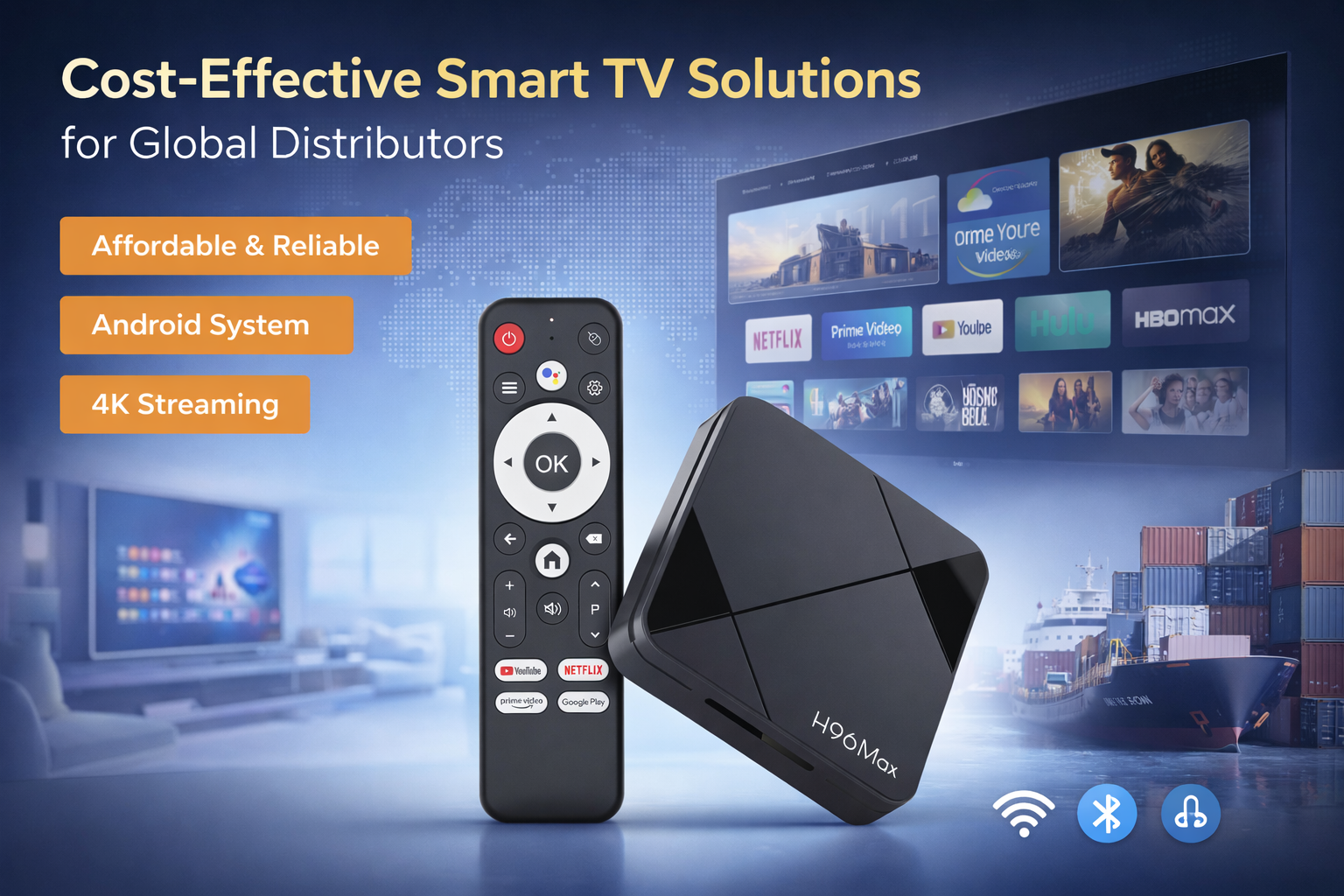
Is the Android TV Box Generic Model Still Competitive in 2026?
Introduction: The State of Android TV Box Generic Model
In recent years, the Android TV Box market has experienced major shifts, both in overseas demand and in manufacturing trends. The once dominant Android TV Box Generic Model—marked by its standard configuration, white-labeling, and lack of distinct differentiation—now faces critical challenges. Industry observers, including Statista and TrendForce, indicate that market share for undifferentiated generic models has shrunk by over 23% between 2022 and 2025. This decline raises a crucial question for OEM buyers and international distributors: Is the Android TV Box Generic Model still profitable in 2026?
This article provides a professional, data-driven analysis of the evolving competitive landscape, using expert commentary and authoritative reports to break down why these generic models are losing ground. We explore not only the surface-level symptoms but the deep-rooted reasons behind the change, providing valuable insight for decision makers, OEM, and ODM clients alike.
Overseas Market Shifts for Android TV Box Generic Models
Global demand for TV boxes has never been higher, with an expected 7.1% CAGR from 2024 to 2028 (Statista). Yet, this growth has not translated equally across product types. Overseas markets, especially in Europe, North America, and Latin America, are increasingly turning away from Android TV Box Generic Models in favor of custom-tailored solutions.
Several industry reports confirm this pivot. According to a 2025 IDC white paper, “Customization requests from major international distributors have increased by 36% over the past two years, driven by unique platform policies, local certification demands, and differentiated user experience.” Where once bulk buyers prized the low entry price of generic TV boxes, today they prioritize adaptability and compliance—two areas where standard, undifferentiated models are falling short.
Long-tail keyword naturally included: Is generic Android TV box still profitable in 2026? The data suggest it is becoming less so with every year.
OEM & ODM: Customization vs. Generic Models
The rise of Android TV Box OEM and Android TV Box ODM services has fundamentally changed the game. Generic vs custom Android TV box for OEM buyers is now a key consideration at the decision table.
For manufacturers, the pressure is on to provide not just a basic, off-the-shelf solution, but highly customizable, brand-specific offerings. Custom Android TV Box solutions now account for over 55% of export shipments, according to a recent AVIC market report.
Key advantages for OEM/ODM buyers choosing custom over generic include:
Faster Platform Approval: Custom firmware and software can be pre-certified for Google, Netflix, and Amazon standards, reducing go-to-market time.
Compliance and Adaptation: Custom hardware can be tailored to pass regional certifications (e.g., CE, FCC), addressing increasing regulatory scrutiny overseas.
User Experience: As more buyers focus on UI/UX, custom boxes allow tailored interfaces, content partnerships, and value-added services.
In contrast, Android TV Box Generic Models lack flexibility, making them less attractive to forward-thinking buyers who seek market differentiation.
Platform Policies, Certification, and User Experience
Three pillars are causing the decline of generic models:
Price Competition Is No Longer Sustainable
While Android TV Box Generic Models once undercut the market, the advantage is disappearing. With rising component costs and shrinking wholesale margins, price wars only serve to erode profit for both factories and resellers. According to Counterpoint Research, average selling price (ASP) for basic generic models has fallen by 19% since 2023, but so has volume—a lose-lose scenario.
Platform Policy Changes
Google and major streaming platforms have tightened approval and certification requirements, favoring unique and secure firmware. Generic white-label boxes struggle to get certified, which directly impacts distributor sales channels and end-user trust.
Certification Requirements Are Tougher
Compliance standards are evolving. In 2025, the EU rolled out stricter RoHS and cybersecurity standards for consumer electronics, causing rejections for many non-customized, generic Android TV Boxes. OEM and ODM models, on the other hand, can pre-integrate required features to ensure full compliance.
User Experience Is a New Battleground
Consumers expect more than just basic streaming. Advanced UI, seamless app integration, voice control, and smart home connectivity are now baseline requirements. Generic models, by their nature, cannot keep pace with these rapidly evolving demands.
Industry Voices and Data: What the Experts Say
The trend is clear across media and research agencies:
TechCrunch (April 2025): “The age of the generic Android TV Box is ending, as consumers and resellers demand product differentiation and certified software environments.”
Statista (2026): “Customized smart TV devices are expected to overtake generic models by total volume in Q3 2026.”
Counterpoint Research (2025): “Generic Android TV Box market share among major B2B buyers fell below 20% for the first time.”
OEM Industry Weekly: “Bulk buyers are no longer satisfied with standard configurations; branded experience and after-sales integration have become decisive factors.”
Why the Advantages of Generic Models Are Fading
Price is No Longer King: The slight cost advantage of generic models cannot offset the losses from limited certifications, unreliable updates, and inferior customer experience.
Policy and Platform Risks: Without tailored firmware, generic boxes risk sudden delisting or bans from global streaming services.
Certification Headaches: Passing new regulatory benchmarks is difficult, and each market presents unique compliance obstacles.
Erosion of User Loyalty: Resellers report higher return rates and lower customer satisfaction with generic models compared to custom OEM and ODM solutions.
Conclusion: The Next Step for Buyers and Partners
The professional consensus is that, in 2026, the Android TV Box Generic Model has lost much of its historical competitiveness, especially in key overseas markets. Factors such as declining price advantages, stricter platform and certification policies, and rapidly advancing consumer expectations have driven the shift towards custom and branded solutions.
Generic vs custom Android TV box for OEM buyers is no longer just a cost comparison—it’s a question of market access, legal compliance, and long-term business viability.
For overseas buyers, distributors, and industry clients seeking to stay ahead of these trends, it is crucial to partner with a forward-thinking, fully certified, and flexible manufacturer.
If you are considering your next move in the global Android TV Box market and value factory-direct customization, compliance, and after-sales service, we invite you to contact H96 Max, the original manufacturer trusted by OEM/ODM clients worldwide.
READ MORE
What Are the Direct Losses Caused by Choosing the Wrong Android TV Box Specifications in 2026?
Which Android TV Box Models Are Being Rapidly Eliminated from the Market in 2026?
Which Android TV Box Types Will Remain Premium in Overseas Markets by 2026?
Is the Low Cost Android TV Box Sector a Complete Red Ocean in 2026?
The Impact of Android TV Box Chipset Selection on Profitability in 2026
Where’s the Real Profit in 2026 Android TV Box Memory and Storage Configuration?
2026’s Most Profitable Android TV Box Specification Combinations for Overseas Markets
2026 Overseas Android TV Box Red Ocean Specification List (New Sellers Beware)
2026 Overseas Android TV Box Specification Trends: Which Configurations Remain Profitable?
Quick Links

.png "Watch H96 Max Android TV Box reviews on our YouTube channel")

.png "Explore H96 Max product photos on Instagram")