.png "H96 Max Android TV Box video reviews and tutorials on YouTube")
.png "H96 Max Android TV Box photos and lifestyle shots on Instagram")



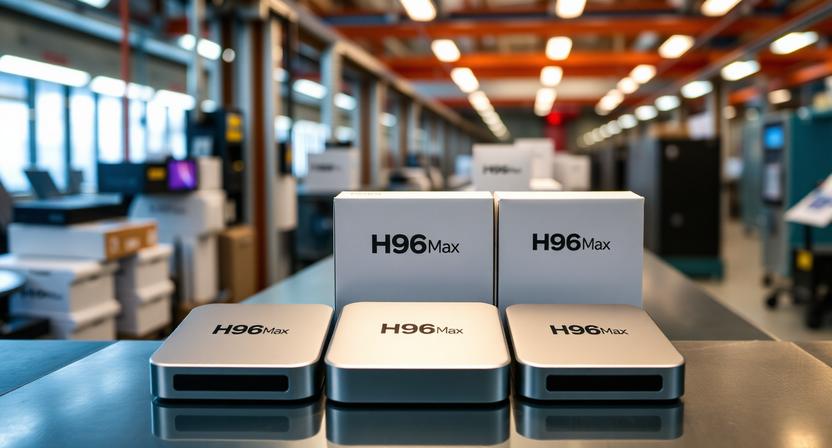
How Airlines Can Evaluate Android TV Box Solutions for Airplane Entertainment Systems
As airlines compete to offer exceptional passenger experiences, in-flight entertainment (IFE) systems have become a strategic differentiator. The Android TV Box for Airplane Entertainment plays a crucial role in this transformation, merging digital connectivity, entertainment, and operational efficiency into one streamlined system. When selecting the right device, airlines must evaluate several factors to ensure long-term reliability, safety, and adaptability to the fast-evolving aviation technology landscape.
1. Hardware Capabilities and Long-Term Performance
At the core of a successful in-flight entertainment solution lies the hardware. The Android TV Box for Airplane Entertainment must be built with powerful processors such as Rockchip RK3588 or Amlogic S928X, capable of handling multitasking, 8K video playback, and interactive applications without latency. These processors, combined with optimized memory management, ensure seamless performance even on long-haul flights. Additionally, all devices should undergo rigorous aviation-level testing, including vibration, altitude, and temperature resistance assessments, to guarantee consistent operation under extreme flight conditions.
2. Compliance and Safety Certifications
Safety is the foundation of aviation technology. Airlines must select Android TV Boxes that comply with DO-160, CE, and FCC certification standards. These certifications confirm the device’s resistance to electromagnetic interference, flammability, and environmental challenges. Partnering with certified OEM manufacturers ensures that the devices are designed and produced following aviation safety regulations, minimizing operational risks and ensuring easy regulatory approval.
3. Connectivity and Integration Efficiency
Reliable connectivity defines the quality of the passenger experience. The Android TV Box must support advanced networking technologies such as Wi-Fi 6, Bluetooth 5.2, and Gigabit Ethernet to maintain stable communication between onboard systems and passengers’ devices. Integration with central media servers and passenger service systems allows real-time updates, content synchronization, and personalized service delivery. Airlines benefit from centralized control and data-driven insights that optimize in-flight entertainment operations across the fleet.
4. Software Customization and Brand Differentiation
One of Android’s greatest strengths lies in its flexibility. The Android TV Box for Airplane Entertainment can be fully customized to reflect an airline’s brand identity. Airlines can modify user interfaces, language settings, and content layouts to suit diverse passenger demographics. Additional features such as duty-free shopping, loyalty program integration, and onboard service menus can be seamlessly incorporated. The ability to deliver OTA (over-the-air) software updates ensures that entertainment content remains fresh, relevant, and secure.
5. Security Infrastructure and Data Protection
With greater connectivity comes the need for robust security systems. Airlines must evaluate Android TV Boxes that include secure boot protocols, data encryption, and DRM content protection. These features safeguard user data and prevent unauthorized access or content piracy. Compliance with international data privacy regulations like GDPR strengthens passenger trust while protecting airlines from potential cybersecurity liabilities. Continuous firmware monitoring and regular security patching are essential components of a secure, reliable IFE solution.
6. Passenger Experience and Accessibility
The ultimate goal of the Android TV Box for Airplane Entertainment is to provide a seamless, enjoyable experience for passengers. A well-designed interface should support responsive navigation, touchscreen interaction, and voice control. Accessibility features such as closed captions, adjustable brightness, and multilingual support ensure that passengers of all ages and backgrounds can use the system comfortably. Airlines can also integrate companion mobile applications that allow passengers to control entertainment directly from their smartphones, enhancing engagement throughout the flight.
7. Efficient Content Management and Streaming Optimization
Effective content management enables airlines to deliver diverse, regionally relevant entertainment to passengers worldwide. The Android TV Box should feature an integrated CMS (Content Management System) that supports cloud synchronization, analytics tracking, and OTA updates. Adaptive bitrate streaming technology ensures that playback remains smooth even in fluctuating bandwidth environments. By leveraging cloud data analytics, airlines can refine their content strategies to meet passenger preferences and improve overall satisfaction.
8. Power Efficiency and Environmental Considerations
As sustainability becomes a top priority in aviation, energy-efficient technologies are critical. The Android TV Box should use low-power ARM architecture to reduce power draw and heat generation. Lightweight, fanless designs contribute to fuel savings by lowering overall aircraft weight. Choosing a manufacturer that adopts green production practices and recyclable materials helps airlines meet their sustainability objectives while maintaining high system performance standards.
9. Scalability and Fleet Integration
Scalability is essential for airlines operating diverse aircraft models. The Android TV Box must support modular configurations adaptable to different cabin environments. Centralized fleet management allows operators to monitor device health, schedule updates, and track system analytics in real time. This level of scalability ensures that entertainment experiences remain consistent across aircraft types and simplifies future system expansions or upgrades.
10. Partnering with an Experienced OEM/ODM Provider
Working with a seasoned OEM/ODM supplier ensures product quality, compliance, and long-term support. Experienced manufacturers understand aviation standards, enabling faster product certification and deployment. Collaborating with global suppliers also ensures consistent logistics and after-sales service. OEM partners can tailor solutions — from hardware to UI — to meet specific airline needs, providing a seamless balance between customization, reliability, and cost efficiency.
In summary, choosing the right Android TV Box for Airplane Entertainment is about balancing performance, safety, and passenger satisfaction. Airlines that prioritize these factors will not only enhance their brand image but also achieve operational efficiency and sustainability across their fleets.
Partner with H96 Max — The Trusted Source for Aviation Android TV Box Solutions
H96 Max produces over 5,000,000 Android TV Boxes annually, serving 150+ countries with 50+ worldwide warehouses. With more than 2,000 OEM/ODM projects, we deliver reliable, certified, and fully customizable Android-based entertainment systems for global airlines. Partner with H96 Max today to upgrade your fleet’s IFE experience with factory-direct pricing and proven aviation-grade performance.
READ MORE
Important Considerations for Airlines Choosing Android TV Box for Airplane Entertainment
Key Requirements Airlines Should Prioritize When Selecting Android TV Box for Airplane Entertainment
Best Practices for Airlines When Choosing Android TV Box for Airplane Entertainment
Key Evaluation Points Airlines Must Consider When Choosing Android TV Box for Airplane Entertainment
Critical Aspects Airlines Should Assess When Choosing Android TV Box for Airplane Entertainment
Essential Factors Airlines Should Consider When Choosing Android TV Box for Airplane Entertainment
Top Considerations for Airlines When Selecting Android TV Box for Airplane Entertainment
How Airlines Can Select the Right Android TV Box for Airplane Entertainment
Key Factors Airlines Should Evaluate When Choosing Android TV Box for Airplane Entertainment
Quick Links

.png "Watch H96 Max Android TV Box reviews on our YouTube channel")

.png "Explore H96 Max product photos on Instagram")