.png "H96 Max Android TV Box video reviews and tutorials on YouTube")
.png "H96 Max Android TV Box photos and lifestyle shots on Instagram")



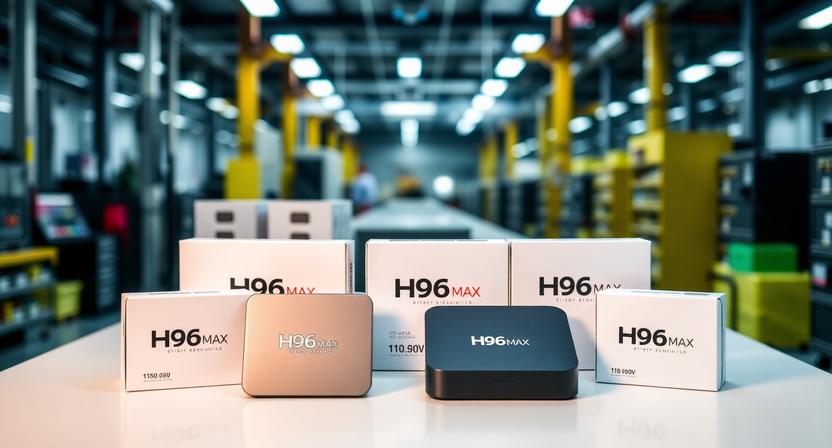
How Airlines Can Select the Right Android TV Box for Airplane Entertainment Systems
The aviation industry is undergoing a digital transformation where in-flight entertainment (IFE) systems play a critical role in enhancing passenger satisfaction. At the core of these systems lies the Android TV Box for Airplane Entertainment, a compact yet powerful solution that brings streaming, gaming, and smart features to passengers worldwide. Airlines must carefully evaluate multiple aspects — from performance and compatibility to certification and long-term support — when choosing the ideal Android TV Box solution.
1. Evaluating Hardware Specifications and Durability
Airplane environments demand specialized hardware designed for reliability and endurance. The Android TV Box for Airplane Entertainment must incorporate high-performance processors such as Amlogic S928X or Rockchip RK3588 to ensure smooth playback and multitasking. The device should support 4K and 8K video decoding while maintaining efficient thermal management through passive cooling systems. Airlines should prioritize suppliers that perform vibration, altitude, and temperature endurance tests to guarantee long-term operational stability under demanding flight conditions.
2. Ensuring Compliance and Certification Standards
Aviation technology must meet stringent safety and compliance standards. The Android TV Box for Airplane Entertainment should comply with DO-160, FCC, CE, and ISO certifications to ensure electromagnetic compatibility and fire resistance. Airlines partnering with certified manufacturers can confidently deploy their entertainment systems without compromising on safety. Compliance with global aviation standards not only ensures safety but also facilitates easier international approvals and deployment across multiple fleets.
3. Connectivity and Integration Across Aircraft Systems
Modern passengers expect seamless connectivity in the sky. The Android TV Box should support Wi-Fi 6, Bluetooth 5.2, and Gigabit Ethernet, allowing stable and high-speed content delivery. Integration with cabin systems like passenger service units (PSUs) and centralized servers is essential to maintain synchronized entertainment delivery across all seats. Advanced Android boxes also support peripheral connections such as USB-C ports, allowing passengers to use their own devices or controllers for a personalized experience.
4. Customization and Brand Experience
The open-source nature of Android OS offers unparalleled flexibility for airlines to customize their IFE platforms. The Android TV Box for Airplane Entertainment can feature branded user interfaces, personalized content recommendations, and service integrations such as food ordering, flight tracking, or duty-free shopping. Airlines can localize language options, region-specific content, and loyalty program access to create a tailored passenger experience that aligns with their brand identity. OEM and ODM suppliers offer even deeper customization, enabling airlines to differentiate their service offerings in competitive markets.
5. Security and Passenger Data Privacy
With the growing interconnectivity of IFE systems, cybersecurity has become a top priority. The Android TV Box must include secure boot features, data encryption, and trusted execution environments to prevent unauthorized access. Airlines should evaluate vendors based on their commitment to firmware updates and compliance with global data protection regulations like GDPR. Ensuring passenger privacy not only builds trust but also protects airlines from potential legal and reputational risks.
6. User Experience and Interface Design
A successful in-flight entertainment experience depends heavily on intuitive design. The Android TV Box for Airplane Entertainment should deliver fast navigation, quick app loading, and high responsiveness. Airlines must ensure that the interface supports multiple interaction methods, including touchscreens, handheld remotes, and voice commands. Accessibility features like closed captions, adjustable font sizes, and multilingual menus ensure inclusivity for all passengers. Smooth integration with companion mobile apps can further extend engagement, allowing passengers to control entertainment directly from their phones.
7. Efficient Content Management and Updates
Managing diverse media content across a global fleet requires an intelligent content management system (CMS). Android TV Boxes designed for aviation should support cloud synchronization and dynamic content distribution. Over-the-air (OTA) updates enable airlines to refresh entertainment libraries, add new features, and roll out security patches remotely. With adaptive bitrate streaming, the system automatically adjusts video quality based on available bandwidth, ensuring uninterrupted playback even in fluctuating signal conditions.
8. Energy Efficiency and Environmental Considerations
Energy consumption plays a significant role in aviation sustainability. The Android TV Box should utilize energy-efficient ARM architecture and smart power regulation systems to reduce operational costs. Lightweight materials and fanless designs minimize fuel impact and maintenance frequency. Choosing an environmentally responsible supplier that implements recyclable components and supports long product lifecycles contributes to the airline’s sustainability goals.
9. Scalability and Fleet Adaptability
Scalability is key for airlines operating diverse aircraft models. The Android TV Box must offer modular architecture, allowing easy installation across different cabin layouts. Centralized management tools let operators monitor, configure, and update hundreds of devices simultaneously. Airlines should work with suppliers offering flexible licensing models, ensuring future compatibility with emerging technologies such as AI-driven passenger analytics and IoT-based system diagnostics.
10. Partnering with a Trusted OEM Supplier
The selection of a dependable OEM/ODM manufacturer ensures consistency in quality, timely delivery, and technical support. Experienced suppliers specializing in Android TV Box development for aviation understand the regulatory requirements and engineering challenges of airborne environments. Collaboration with such partners enables airlines to achieve shorter lead times, lower costs, and continuous innovation in their IFE systems.
Ultimately, choosing the right Android TV Box for Airplane Entertainment empowers airlines to deliver superior passenger experiences while maintaining safety, efficiency, and operational flexibility. By combining advanced hardware, intelligent software, and reliable OEM partnerships, airlines can redefine how travelers enjoy in-flight entertainment.
Partner with H96 Max — The Leading Android TV Box Factory for Aviation
With over 5,000,000 Android TV Boxes shipped annually, H96 Max stands as a trusted partner in the global aviation entertainment industry. Our 50+ worldwide warehouses and 2,000+ OEM/ODM projects ensure rapid delivery, customization, and technical excellence. Partner with H96 Max today to integrate advanced Android TV solutions into your airline’s entertainment ecosystem and elevate passenger satisfaction across every journey.
READ MORE
Important Considerations for Airlines Choosing Android TV Box for Airplane Entertainment
Key Requirements Airlines Should Prioritize When Selecting Android TV Box for Airplane Entertainment
Best Practices for Airlines When Choosing Android TV Box for Airplane Entertainment
How Airlines Can Evaluate Android TV Box Solutions for Airplane Entertainment
Key Evaluation Points Airlines Must Consider When Choosing Android TV Box for Airplane Entertainment
Critical Aspects Airlines Should Assess When Choosing Android TV Box for Airplane Entertainment
Essential Factors Airlines Should Consider When Choosing Android TV Box for Airplane Entertainment
Top Considerations for Airlines When Selecting Android TV Box for Airplane Entertainment
Key Factors Airlines Should Evaluate When Choosing Android TV Box for Airplane Entertainment
Quick Links

.png "Watch H96 Max Android TV Box reviews on our YouTube channel")

.png "Explore H96 Max product photos on Instagram")