.png "H96 Max Android TV Box video reviews and tutorials on YouTube")
.png "H96 Max Android TV Box photos and lifestyle shots on Instagram")



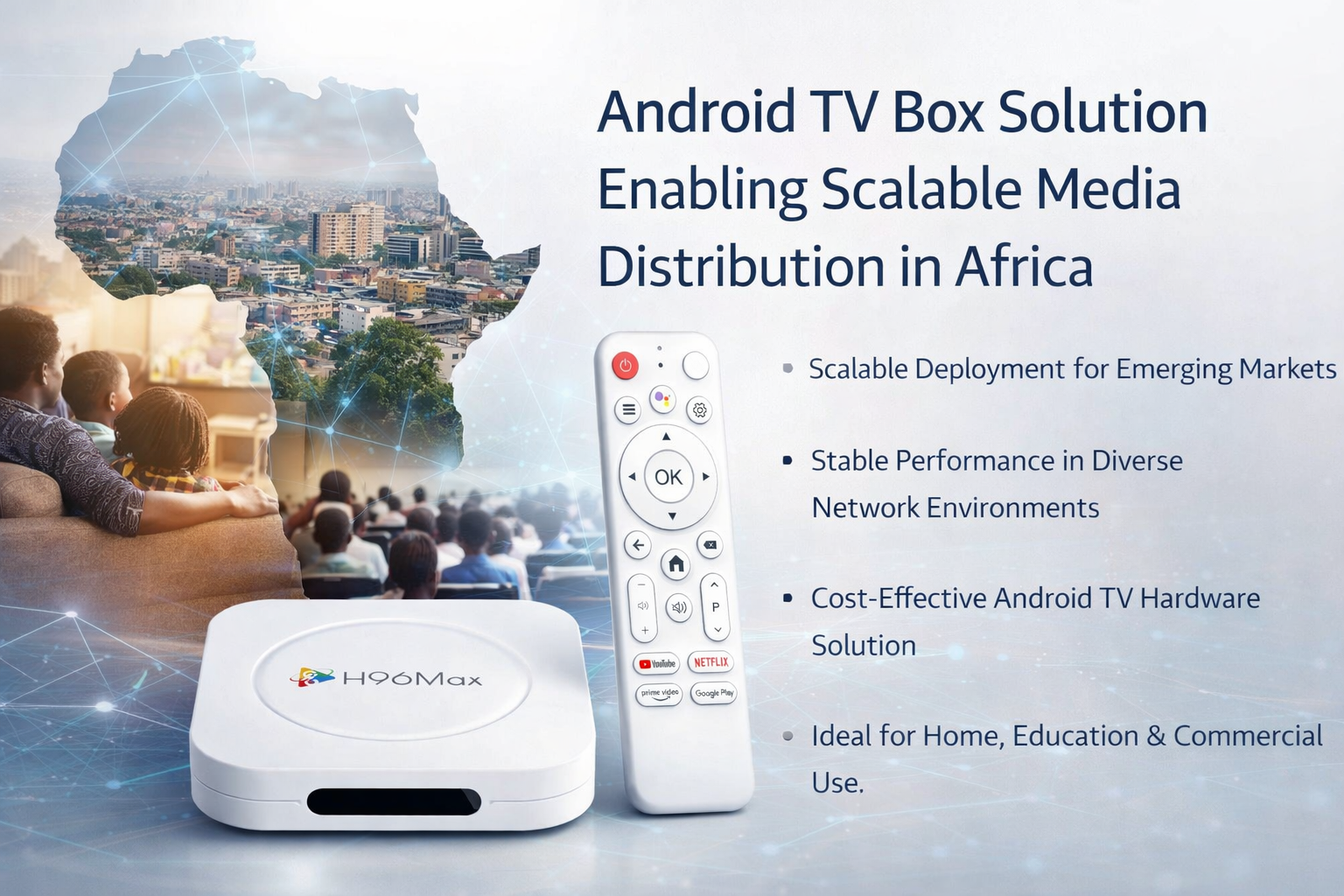
Assessing the Longevity of Low Cost Android TV Boxes in Africa
Introduction: The Role of Low Cost Android TV Box in Africa
In recent years, the low cost android tv box has become a preferred solution for affordable streaming and smart TV functionalities across Africa. For many households and businesses, these devices deliver unprecedented value, providing access to a broad range of content at a fraction of the cost of traditional television services. However, as the African digital landscape rapidly evolves, industry professionals are increasingly questioning: is low cost android tv box still profitable in africa, and for how long can these entry-level devices remain relevant in a market that is shifting toward higher specifications and smarter solutions?
Current Market Overview and Penetration
Africa’s digital adoption rate is outpacing global averages, but affordability remains a critical driver. The proliferation of basic android tv box and entry level android tv box models has democratized access to streaming, allowing millions of users to convert older televisions into connected devices with minimal investment. Market surveys indicate that a majority of sub-Saharan urban households that have adopted streaming have done so via cheap android tv box hardware, often sourced from local distributors or through informal markets.
Key Technical Limitations and Use Cases
The low spec android tv box is typically equipped with minimal RAM and storage, often lacking advanced video decoding or premium certifications. For African consumers, this may not be an immediate barrier: network infrastructure varies widely, and high-resolution streaming is not always feasible or necessary. As a result, these boxes excel in use cases such as basic IPTV, YouTube, and offline media playback. The entry-level nature helps keep prices accessible, sustaining adoption even among budget-conscious families.
Cost-Value Equation for Distributors and End-Users
The economic advantage of the low cost android tv box extends to the supply chain as well. Distributors in Africa often prefer lower-cost imports, which enable larger profit margins and easier market penetration. Maintenance costs and after-sales requirements remain low, which is essential for regions with limited technical support infrastructure. For end-users, total cost of ownership is a decisive factor—especially in rural or underserved communities—making the cheap android tv box a resilient segment.
Evolving User Expectations and Technological Trends
While affordability is critical, African consumers are increasingly exposed to global digital trends. This has begun to raise expectations for device performance and features, even within the basic android tv box category. Demand is rising for smoother interfaces, compatibility with more streaming apps, and enhanced wireless connectivity. As 4G and 5G rollouts continue across the continent, bandwidth limitations are slowly receding, paving the way for higher-specification devices to gain a foothold.
The Competitive Landscape: OEMs and Local Brands
The African market for android tv box for africa is served by a mix of Chinese OEMs, local brands, and global players. Some vendors specialize in entry level android tv box devices optimized for the specific needs and constraints of African consumers, such as energy efficiency, simplified remote controls, and rugged designs suited for challenging environments. Local assemblers also play a role, sometimes customizing firmware for regional content partnerships or regulatory requirements.
Profitability Outlook: Is Low Cost Android TV Box Still Profitable in Africa?
Addressing the long-tail query, is low cost android tv box still profitable in africa: yes, but with caveats. Margins remain healthy for importers and resellers who can manage logistics and scale effectively. However, price competition is intense, and future profitability will depend on managing costs while gradually upgrading product features. The ability to offer after-sales support, firmware updates, and bundled local content will be critical differentiators as the market matures.
Future of Low Cost Android TV Box in Africa: Sustainability and Risks
Looking forward, the future of low cost android tv box in africa hinges on several factors:
Device Longevity: As content providers move toward higher DRM requirements and 4K streaming, older boxes may lose compatibility unless firmware can be updated.
Consumer Education: Raising awareness about the limitations and best use cases for low spec android tv box models will reduce returns and boost satisfaction.
Ecosystem Partnerships: Collaborations with local ISPs and content creators can extend the lifecycle of these boxes by tailoring services and applications to local tastes.
Recommendations for Stakeholders
Distributors: Focus on quality control and value-added services such as warranties, localized apps, and customer support.
Retailers: Educate consumers on the strengths and limits of each product category, positioning entry level android tv box options for appropriate use cases.
Manufacturers: Invest in modular designs and updatable software to extend hardware lifespan and adapt to evolving standards.
Conclusion: The Lasting Value of Affordable Streaming Solutions
The African market remains fertile ground for the low cost android tv box—especially as digital adoption deepens beyond major cities. While the market will inevitably trend toward higher specs over time, cost-effective models will continue to serve as the on-ramp to digital content for millions. The key will be balancing affordability with sufficient performance to satisfy the evolving needs of African consumers, ensuring that even as technology advances, no one is left behind in the digital revolution.
READ MORE
Why Are “Stable + Simple” Android TV Boxes Preferred in the Market?
IPTV Users vs OTT Users: Completely Different Logics in Choosing TV Boxes
Gaming-Optimized Android TV Box: Real Demand or Market Hype?
Is Voice Remote Truly Boosting Conversion, or Just “High-Tech Looking”?
European Clients Move to 'Streaming Box + Legal Content': Industry Signals and Market Value
Why the Middle East Market Continues to Prefer High Configuration Android TV Boxes
Deep Dive: Real Android TV Box Demand Trends in Mexico, Brazil, and Chile
Is North America’s Android TV Box Market Really Saturated? Entry Points & Analysis
Quick Links

.png "Watch H96 Max Android TV Box reviews on our YouTube channel")

.png "Explore H96 Max product photos on Instagram")