.png "H96 Max Android TV Box video reviews and tutorials on YouTube")
.png "H96 Max Android TV Box photos and lifestyle shots on Instagram")



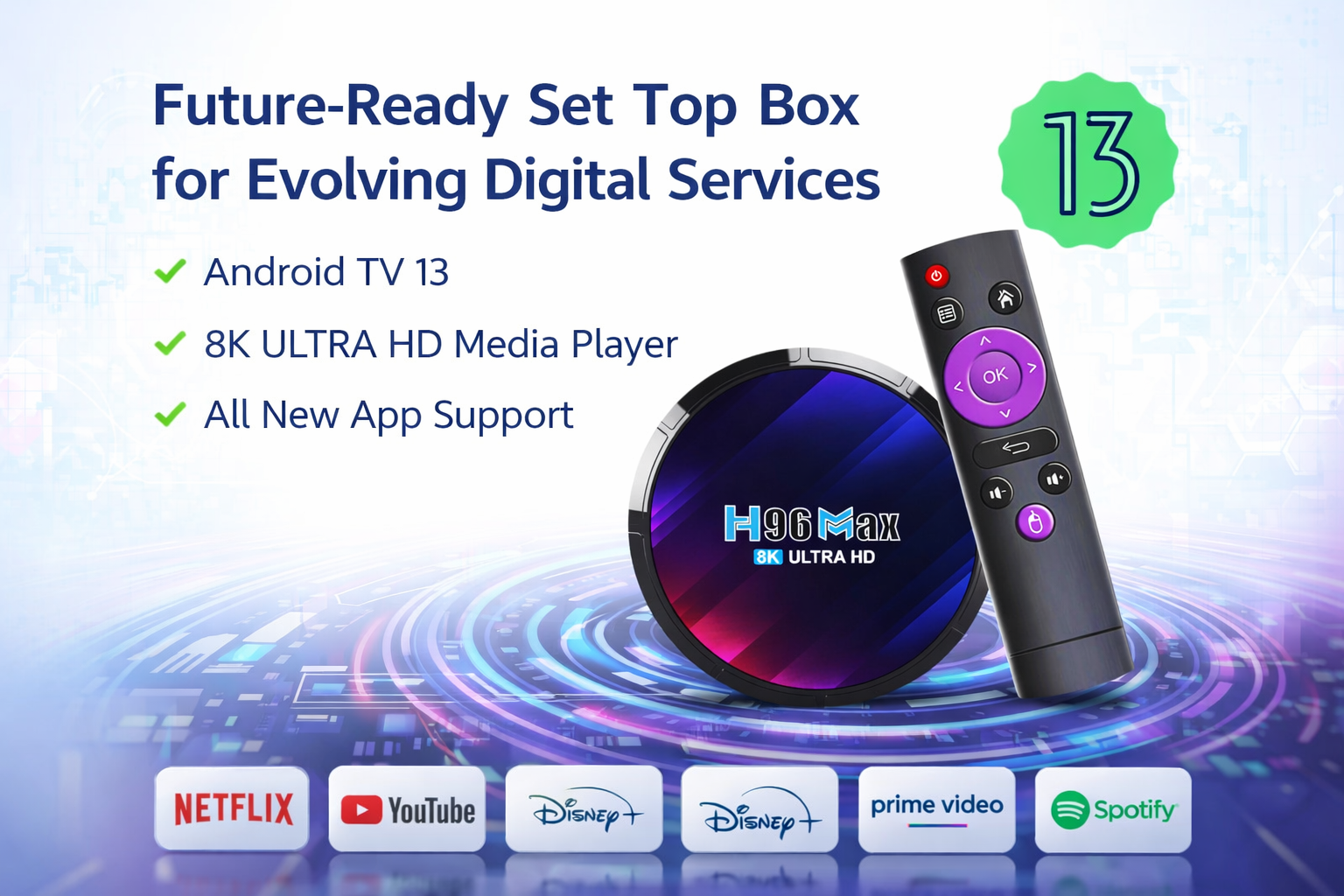
Why Set Top Box Selection Fails—and How Operators Can Prevent It
Choosing the right carrier-grade set top box is one of the most critical decisions telecom operators face when building or expanding IPTV services. Despite rapid growth in global IPTV adoption, multiple industry analyses from firms like PwC and McKinsey reveal that a significant percentage of deployment failures originate from poor hardware selection and underestimated integration complexity. A carrier-grade set top box is not just a playback device—it is a central component of service delivery that directly impacts churn rates, ARPU, and customer satisfaction.
Operators often underestimate how deeply hardware decisions affect long-term operations. Understanding how to choose a carrier-grade set top box supplier for IPTV operators is essential to avoid scalability issues, performance bottlenecks, and costly device replacement cycles. At the same time, knowing what to consider when buying 4K IPTV set top box for telecom operators helps align procurement decisions with modern user expectations such as ultra-HD streaming, instant channel switching, and stable connectivity.
1. Misjudging “Carrier-Grade” Standards
A common mistake is assuming all devices labeled as carrier-grade meet telecom-level requirements. In reality, many devices lack proper stress testing and long-term reliability validation. A true carrier-grade set top box should support continuous 24/7 operation, robust thermal management, and stable chipset performance. Operators should always request detailed hardware validation reports and long-term lifecycle guarantees from the IPTV set top box supplier.
2. Ignoring Integration Complexity
Integration is often where projects fail. Studies show that over 35% of IPTV rollout delays are linked to middleware incompatibility. An operator set top box must seamlessly integrate with CAS, DRM, and middleware systems. Android TV set top box environments, while flexible, can introduce additional integration layers that require careful planning.
3. Overlooking Real-World Performance
Laboratory performance does not always reflect real-world conditions. A 4K IPTV set top box must maintain stability under fluctuating network conditions, high concurrency streaming, and diverse content formats. Industry data suggests that buffering and lag directly correlate with increased churn, making performance validation essential.
4. Underestimating Security Requirements
Security vulnerabilities can have severe financial and reputational consequences. A carrier-grade set top box must include advanced DRM support, secure boot mechanisms, and encrypted communication protocols. Operators should verify compliance with global content protection standards before procurement.
5. Lack of Scalability Planning
Many operators focus on immediate needs without considering future growth. A scalable carrier-grade set top box should support cloud-based management systems and large-scale deployments. Choosing the right IPTV set top box supplier ensures the infrastructure can expand without major upgrades.
6. Weak Software Support Strategy
Software plays a critical role in device longevity. Without reliable OTA updates and continuous firmware improvements, devices quickly become outdated. Android TV set top box platforms especially require frequent updates to maintain compatibility with evolving applications and services.
7. Choosing Suppliers Based on Price Alone
Cost-driven decisions often lead to long-term losses. Operators that prioritize low pricing over quality frequently encounter higher failure rates and increased maintenance costs. A reputable IPTV set top box supplier should demonstrate manufacturing strength, certifications, and successful global deployments.
8. Ignoring Total Cost of Ownership
The true cost of a carrier-grade set top box extends beyond initial purchase price. Factors such as device failure rates, customer support, and upgrade costs significantly impact long-term profitability. Industry benchmarks indicate that poor-quality devices can increase operational costs by more than 25%.
9. Failure to Future-Proof Investments
Technology evolution is rapid, and operators must prepare for future demands. A forward-looking carrier-grade set top box should support emerging codecs, AI-driven recommendations, and advanced user interfaces. Future-proofing ensures sustained competitiveness.
10. Lack of Verified Deployment Evidence
Finally, operators should always request real deployment case studies. Proven success in similar markets provides strong validation of product reliability and supplier capability. Without such evidence, procurement decisions carry unnecessary risks.
In practice, the difference between success and failure often lies in the depth of evaluation. Operators that adopt a structured procurement strategy for carrier-grade set top box selection consistently achieve better service quality, reduced churn, and improved operational efficiency. Every decision—from hardware selection to supplier evaluation—should be guided by data, real-world testing, and long-term planning.
Ultimately, a carrier-grade set top box is not just a technical component but a strategic asset. It defines the quality of user experience, the stability of service delivery, and the scalability of future growth. Operators that invest time in asking the right questions are far more likely to build resilient and competitive IPTV ecosystems.
As a trusted source factory, H96 Max delivers high-quality manufacturing, strict quality assurance, and flexible OEM/ODM solutions tailored to global operator needs. Partner with H96 Max today to build a reliable and scalable IPTV service foundation.
READ MORE
Final Guide to Carrier-Grade Set Top Box Procurement for IPTV Operators
Build vs Buy vs ODM: Set Top Box Strategy for IPTV Operators
Different IPTV Operator Strategies for Set Top Box Procurement
Carrier-Grade Set Top Box Procurement Checklist for Operators
How to Compare Carrier-Grade Set Top Box Solutions for IPTV Operators
Quick Links

.png "Watch H96 Max Android TV Box reviews on our YouTube channel")

.png "Explore H96 Max product photos on Instagram")