.png "H96 Max Android TV Box video reviews and tutorials on YouTube")
.png "H96 Max Android TV Box photos and lifestyle shots on Instagram")



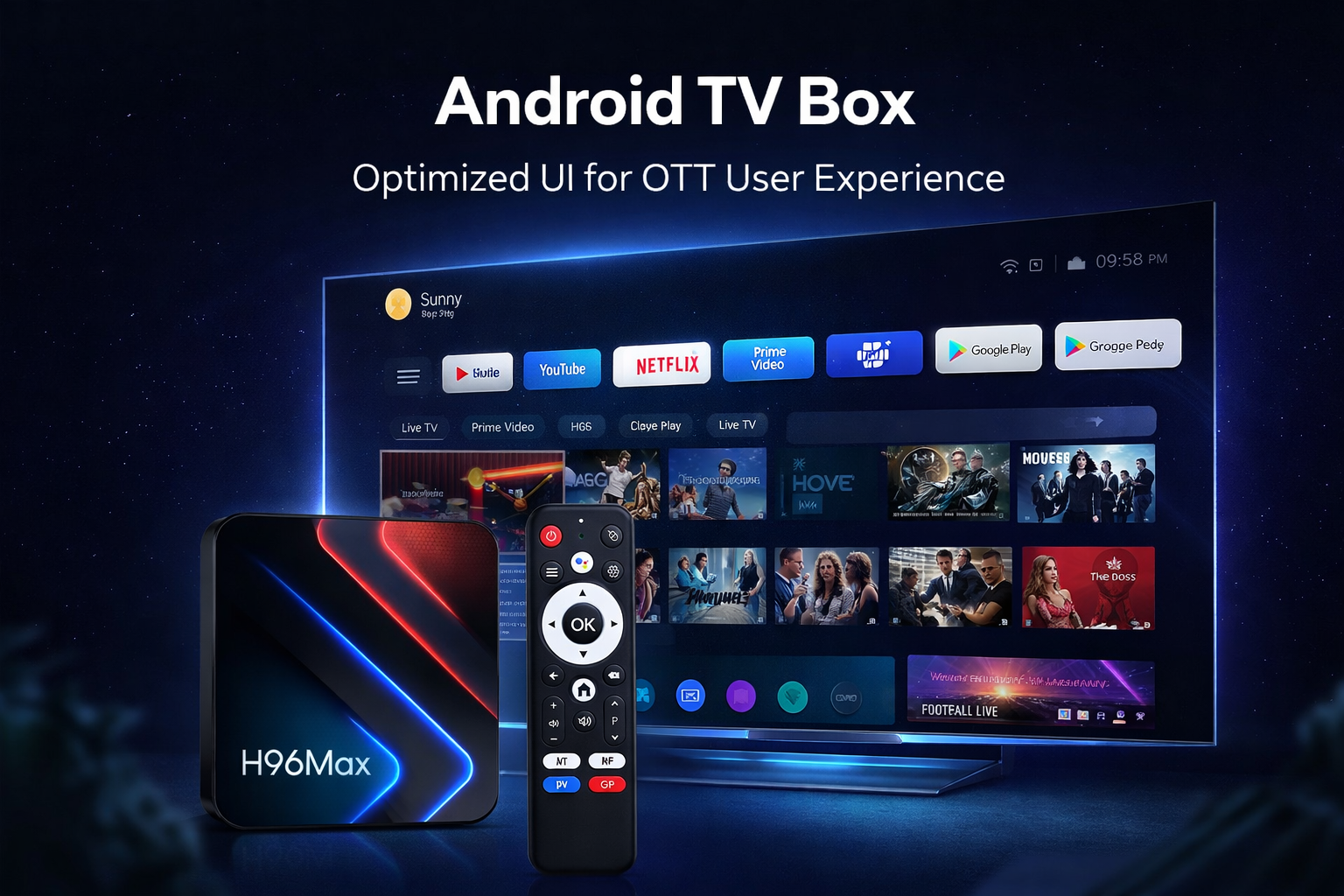
How to Build a Custom OTT Media Box Solution from Scratch (Step-by-Step)
Introduction: Why Build a Custom OTT Solution
Building a custom OTT media box solution from scratch has become a strategic priority for ISPs and operators aiming to differentiate their services and control the full user experience. As the global streaming market expands rapidly, relying on generic devices often limits scalability and customization. A well-designed OTT media box solution allows businesses to integrate content, optimize performance, and create a unique ecosystem tailored to their audience.
Industry reports from Statista show continuous growth in OTT adoption, which reinforces the need for flexible infrastructure. An Android OTT media box solution provides the foundation for application ecosystems, content aggregation, and long-term scalability.
Step 1: Define Business Goals and Requirements
The first step in building a custom OTT media box solution is defining clear business objectives. Operators must determine target markets, user demographics, content strategies, and revenue models. These factors influence hardware specifications, software design, and integration requirements.
A custom OTT media box solution should align with business goals such as subscription growth, advertising revenue, or hybrid IPTV deployment. Clear planning at this stage ensures efficient development and avoids costly adjustments later.
Step 2: Select the Right Hardware Architecture
Hardware selection is a critical component of any OTT media box solution. Key considerations include chipset performance, RAM, storage, and connectivity options. High-performance chipsets enable smooth streaming, while sufficient memory ensures responsive user interfaces.
Operators should also consider future scalability when choosing hardware. A reliable OTT media box solution for IPTV must support high-definition content, stable connectivity, and long-term upgrades.
Step 3: Choose the Operating System and Platform
Selecting the right operating system is essential for building an effective Android OTT media box solution. Android TV is widely used due to its flexibility, app ecosystem, and compatibility with global streaming services.
A custom Android OTT media box solution with Netflix certification provides access to premium content while ensuring compliance with strict requirements. Working with an experienced OTT media box solution provider helps streamline OS customization and integration.
Step 4: Develop Software and User Interface
Software development is where differentiation happens. A custom OTT media box solution should include a user-friendly interface, fast navigation, and personalized recommendations. Integration with content management systems and analytics platforms enhances functionality.
According to McKinsey, personalization can significantly improve user retention, making UI/UX optimization a key priority. A professional OTT media box solution provider ensures seamless development and deployment.
Step 5: Integrate Content and Middleware
Content integration is a core element of any OTT media box solution. Operators must connect with streaming platforms, IPTV services, and middleware systems to deliver a unified experience. A robust OTT media box solution for IPTV supports seamless content aggregation and distribution.
Middleware integration enables features such as billing, user management, and analytics, which are essential for business operations.
Step 6: Ensure Security and Certification
Security is critical when building a custom OTT media box solution. Devices must include DRM technologies, secure boot processes, and encrypted data transmission. Certifications such as Widevine and PlayReady are essential for accessing licensed content.
A certified OTT media box solution ensures compliance with industry standards and builds trust with content providers and users.
Step 7: Manufacturing and OEM/ODM Strategy
Manufacturing is the next step in the development process. An OTT media box solution OEM/ODM approach allows operators to choose between full customization and ready-made platforms. OEM offers greater flexibility, while ODM provides faster deployment.
Selecting the best OTT media box solution supplier for IPTV business ensures high-quality production and reliable supply chains.
Step 8: Testing and Quality Assurance
Comprehensive testing is essential to ensure device reliability and performance. A robust OTT media box solution must undergo hardware validation, software debugging, and compatibility testing across networks and platforms.
Quality assurance reduces the risk of failures and enhances user satisfaction.
Step 9: Deployment and Scaling
Once development and testing are complete, the OTT media box solution can be deployed. Cloud-based management systems enable remote updates, monitoring, and performance optimization. Scalability is critical as subscriber bases grow.
Gartner predicts that most operators will adopt cloud-integrated OTT systems to improve efficiency and reduce operational costs.
Step 10: Continuous Optimization and Support
Building a custom OTT media box solution is an ongoing process. Continuous updates, feature enhancements, and technical support are essential for maintaining competitiveness. A reliable OTT media box solution provider ensures long-term system stability and innovation.
Conclusion
Developing a custom OTT media box solution from scratch requires careful planning, technical expertise, and strategic partnerships. By following a structured step-by-step approach, operators can build scalable and high-performance OTT ecosystems that meet evolving market demands.
H96 Max offers advanced OTT hardware solutions with strong OEM/ODM capabilities and global experience. Partner with H96 Max today to build your next-generation OTT platform.
READ MORE
How OTT Media Box Solution Helps IPTV Businesses Grow Revenue?
Android TV vs Linux OTT Media Box Solution: Which System Should You Choose?
Best OTT Media Box Solution for Emerging Markets (Africa, Middle East, South America)
OTT Media Box Solution Price Breakdown: What Affects the Cost?
What Certifications Does an OTT Media Box Solution Need? (Netflix, Google, DRM Explained)
Top 7 Mistakes When Buying OTT Media Box Solution (And How to Avoid Them)
OEM vs ODM OTT Media Box Solution: Which One Is Better for Your Business?
How to Choose the Right OTT Media Box Solution Supplier in 2026
Ultimate Guide to OTT Media Box Solution for ISPs and Operators
Quick Links

.png "Watch H96 Max Android TV Box reviews on our YouTube channel")

.png "Explore H96 Max product photos on Instagram")