.png "H96 Max Android TV Box video reviews and tutorials on YouTube")
.png "H96 Max Android TV Box photos and lifestyle shots on Instagram")



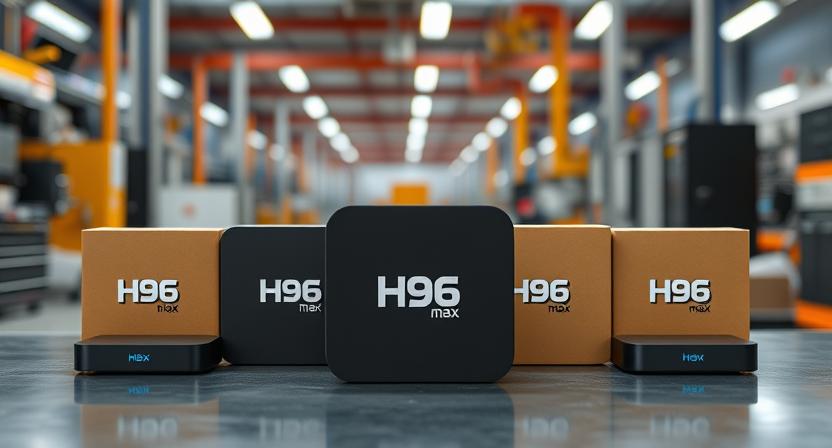
Next-Gen Transportation: The Impact of Android TV Boxes on Smart Mobility
In the age of digital mobility, the Android TV Box for Transportation Systems has emerged as a driving force behind the modernization of public and private transport networks. These compact yet powerful devices seamlessly combine artificial intelligence (AI), Internet of Things (IoT) integration, and cloud connectivity to revolutionize passenger communication and entertainment. From city subways to intercity coaches and international airports, Android TV Boxes are redefining what it means to travel in a connected world, enhancing passenger engagement and improving operational efficiency.
1. Redefining Passenger Interaction
The modern traveler expects more than just transportation—they expect an experience. Android TV Boxes transform ordinary travel into a personalized, interactive journey. These devices enable real-time content delivery, providing passengers with instant access to route information, weather forecasts, advertisements, and entertainment. Through intelligent interfaces, passengers can engage directly with digital content, access interactive maps, or receive destination-based recommendations. This two-way communication model transforms static displays into immersive digital portals that add value to every moment of travel.
2. Centralized Control Through Cloud Management
One of the core strengths of Android TV Boxes lies in their ability to manage and distribute content through the cloud. Transportation operators can remotely update thousands of devices simultaneously, ensuring information consistency and accuracy across entire fleets and stations. Whether displaying route alerts, promotional videos, or safety announcements, cloud-based control minimizes manual maintenance and ensures real-time synchronization. Administrators can even analyze system performance through dashboards that monitor engagement metrics, uptime, and playback efficiency across regions.
3. AI-Powered Passenger Insights
Artificial Intelligence plays a pivotal role in optimizing Android TV Box performance. AI-driven analytics track passenger demographics, travel behavior, and engagement patterns to customize content in real time. For instance, entertainment preferences during rush hours may differ from long-distance night routes—AI ensures adaptive programming to meet passenger expectations. Predictive algorithms also forecast hardware health and network load, helping operators prevent issues before they affect service continuity. This proactive intelligence transforms passenger infotainment into a data-driven advantage for transportation providers.
4. IoT Integration for Smart Transport Infrastructure
In smart cities, Android TV Boxes function as central communication nodes within IoT ecosystems. They connect with sensors, GPS systems, and surveillance devices to share and display real-time operational data. For example, smart buses equipped with these systems can update passengers on traffic conditions and estimated arrival times, while airports can broadcast security alerts and flight updates instantly. By bridging IoT and AI, Android TV Boxes create a unified digital network that enhances both passenger experience and system transparency.
5. Enhancing Entertainment and Information Delivery
Entertainment is an essential aspect of modern transportation, and Android TV Boxes make it seamless. With access to streaming platforms, games, and localized media libraries, passengers can enjoy tailored content during their journey. Operators can integrate sponsored messages or regional promotions into entertainment feeds, generating additional revenue streams. The flexibility of Android OS ensures compatibility with diverse content formats, while its high processing power guarantees smooth playback—even in bandwidth-constrained environments such as trains or rural routes.
6. Safety and Accessibility in Digital Transit
Safety communication remains a critical responsibility for transport operators. Android TV Boxes enhance safety by enabling real-time emergency broadcasts, evacuation instructions, and multilingual alerts. In addition, accessibility features such as closed captioning, screen magnification, and voice assistance ensure inclusivity for all passengers, including those with disabilities. These advanced capabilities make Android-based transportation displays compliant with international accessibility and safety regulations, reinforcing the reliability of connected transit systems worldwide.
7. Energy Efficiency and Environmental Sustainability
As sustainability becomes a global imperative, Android TV Boxes contribute to greener transportation through low-power ARM architectures and optimized energy management. Compared with legacy systems, they reduce power consumption by up to 40% while maintaining high-performance operation. Remote diagnostics, OTA (Over-the-Air) updates, and modular hardware designs extend device lifespan and minimize electronic waste. These eco-friendly features support global ESG initiatives and position Android-powered systems as environmentally responsible solutions for modern transit infrastructure.
8. Brand Customization and Passenger Engagement
The flexibility of Android allows full OEM/ODM customization for transportation operators. Companies can brand interfaces with logos, color schemes, and custom content layouts. They can also preload partner apps, tourism guides, or advertising networks tailored to specific passenger demographics. This level of personalization enhances passenger loyalty and brand recognition while creating new monetization opportunities. Manufacturers such as H96 Max specialize in delivering tailored Android TV Box solutions that align with each operator’s branding and technological goals.
9. Global Scalability and System Reliability
Scalability defines the long-term success of any digital infrastructure. Android TV Boxes support global deployment with multilingual systems and remote management capabilities. Whether managing 50 or 5,000 devices, transportation providers can rely on centralized dashboards for real-time monitoring and analytics. Cloud synchronization ensures uptime consistency and data integrity across multiple regions. As transportation networks expand, Android’s open ecosystem allows seamless integration with future technologies, ensuring sustainability and cost efficiency over time.
10. Partnering for the Future of Transportation
Integrating the Android TV Box for Transportation Systems represents a strategic investment in future-ready infrastructure. As operators embrace automation, interactivity, and data intelligence, these systems become indispensable tools for global mobility transformation. H96 Max, with over five million Android TV Boxes shipped annually and operations in 150+ countries, leads the market in providing OEM/ODM solutions for transportation innovation. With 50+ global warehouses and 2,000+ custom projects, H96 Max delivers scalable solutions that drive smart mobility across continents.
Contact H96 Max today—the trusted OEM/ODM source for Android TV Boxes. Together, we can transform public transit into a smarter, safer, and more connected experience that defines the future of mobility worldwide.
READ MORE
Smart Connectivity: How Android TV Boxes Revolutionize Transportation
Integrating Android TV Boxes into Modern Transportation Networks
Smart Transformation: Android TV Boxes in Transportation Systems
Quick Links

.png "Watch H96 Max Android TV Box reviews on our YouTube channel")

.png "Explore H96 Max product photos on Instagram")