.png "H96 Max Android TV Box video reviews and tutorials on YouTube")
.png "H96 Max Android TV Box photos and lifestyle shots on Instagram")



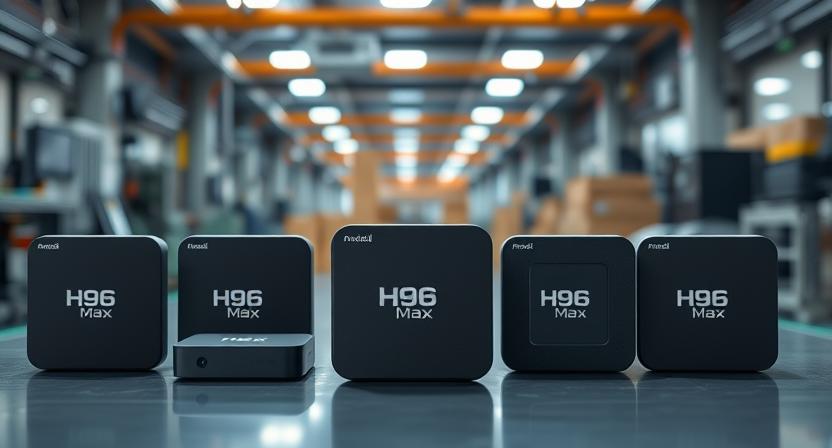
How Can Android TV Boxes Improve Passenger Information and Entertainment in Transportation Systems?
In the evolving landscape of transportation technology, the Android TV Box for Transportation Systems has emerged as a pivotal innovation, redefining how passengers interact with information and entertainment while on the move. Designed to integrate smart communication, multimedia access, and operational intelligence, these compact yet powerful devices bring an entirely new level of digital engagement to public and private transport environments. From real-time travel data to immersive infotainment experiences, the Android TV Box is revolutionizing the passenger journey across trains, buses, airports, and ferries.
1. The Evolution of Smart Transportation Displays
Modern transportation systems are embracing digital transformation faster than ever before. Traditional LED panels and static signboards are rapidly being replaced with smart Android-powered displays that offer dynamic and real-time content. These systems can simultaneously display route updates, advertisements, and entertainment channels, all powered by an Android TV Box designed for transportation networks. By leveraging Android OS flexibility, operators can manage content remotely, customize interfaces for specific routes, and provide multilingual accessibility to enhance passenger engagement globally.
2. Enhancing Passenger Communication and Safety
Communication is at the heart of every efficient transportation network. Android TV Boxes enable real-time updates on delays, route diversions, weather alerts, and safety announcements through cloud-based content management systems. This capability transforms passenger communication into an interactive and reliable experience. In airports and metro systems, for example, operators can broadcast emergency notifications or security guidelines instantly across multiple screens, ensuring timely information dissemination. By incorporating AI-driven analytics, these devices can even predict congestion patterns, helping authorities optimize passenger flow and safety management.
3. Integrating Entertainment and Connectivity
Passenger satisfaction is no longer limited to punctual arrivals; it now encompasses the quality of in-transit experiences. The Android TV Box transforms any display into a connected entertainment hub, offering streaming services, local news, games, and personalized content options. With integrated Wi-Fi and Bluetooth connectivity, passengers can sync their devices, watch live TV, or access curated playlists during their journey. The inclusion of high-speed processors ensures seamless streaming, even under high passenger density conditions. By providing onboard entertainment similar to smart hotel systems, operators enhance passenger comfort while unlocking new advertising and revenue opportunities.
4. The Role of AI and Cloud Integration
Artificial Intelligence (AI) and cloud computing play a central role in optimizing content delivery across multiple transport hubs. Android TV Boxes can automatically schedule content updates, collect user interaction data, and adjust media playback based on passenger demographics or real-time events. This automation not only improves efficiency but also reduces operational costs. Cloud synchronization allows administrators to deploy software patches, new applications, or safety updates remotely, ensuring uninterrupted service. Furthermore, AI algorithms can detect faulty displays, monitor device health, and trigger maintenance requests proactively, minimizing downtime across networks.
5. Transforming the Passenger Experience
The true value of Android TV Boxes in transportation lies in their ability to humanize digital journeys. Beyond simple data display, these systems promote engagement through visually rich, multilingual, and interactive interfaces. Passengers can view real-time maps, entertainment feeds, advertisements, and tourist information — all personalized to their location. For long-distance travel, Android-powered infotainment systems can host destination guides, movies, and educational content, turning idle time into valuable engagement moments. Such experiences not only increase passenger satisfaction but also strengthen brand perception for transport operators.
6. Expanding Applications Across Transportation Modes
The flexibility of the Android ecosystem enables seamless adaptation across diverse transport environments. In aviation, Android TV Boxes power inflight entertainment systems with centralized management dashboards. On buses, they deliver route updates and advertising content through compact digital signage. Trains and subways deploy Android solutions for schedule automation and security alerts, while marine transport integrates them into interactive wayfinding systems. This cross-sector versatility positions the Android TV Box as the foundation of next-generation passenger information and entertainment infrastructure.
7. Connectivity and Integration with IoT
IoT integration is another defining feature of Android TV Box for Transportation Systems. By connecting with sensors, cameras, and GPS modules, these devices can relay data between vehicles, control centers, and public displays in real time. For example, smart buses can use Android-based displays to update ETA information dynamically, while metro systems integrate environmental sensors to display air quality and temperature data to passengers. Such interconnectivity enhances transparency, operational control, and sustainability — key elements of modern smart cities.
8. Customization and Branding for Transport Operators
One of the most valuable features of Android TV Boxes is their OEM/ODM flexibility. Transportation companies can customize user interfaces, preload proprietary applications, and even integrate advertising networks directly into the system. From custom boot animations to co-branded infotainment platforms, Android’s open-source environment empowers operators to build unique digital ecosystems aligned with their brand identity. Manufacturers like H96 Max provide tailored solutions with global support, ensuring scalability across networks of any size.
9. Sustainability and Operational Efficiency
Energy efficiency and durability are fundamental in transportation environments. Android TV Boxes are built with low-power ARM architectures, reducing energy consumption by up to 40% compared to conventional PCs. OTA firmware updates and remote diagnostics extend device lifecycles, minimizing e-waste and maintenance costs. Moreover, operators can track system performance and power consumption in real time, aligning with global sustainability goals while maintaining optimal performance standards.
10. Partnering with Industry Leaders
The deployment of Android TV Boxes within global transportation networks is not merely a technological trend—it’s a strategic investment in digital transformation. Industry leaders are leveraging these systems to build integrated passenger ecosystems that blend real-time information, safety, and entertainment. With over 5,000,000 Android TV Boxes shipped annually, H96 Max stands as a trusted OEM/ODM manufacturer supporting 150+ countries and 2,000+ custom projects. Partnering with H96 Max ensures access to global logistics, innovative design, and unparalleled scalability for transportation operators worldwide.
Ready to enhance your transportation system’s passenger experience? Contact H96 Max today — the global leader in Android TV Box for Transportation Systems manufacturing, offering customized OEM/ODM solutions with 50+ warehouses and a proven track record of excellence.
READ MORE
Driving Innovation: How Android TV Boxes Are Transforming Transportation
Next-Gen Transportation: The Impact of Android TV Boxes on Smart Mobility
Smart Connectivity: How Android TV Boxes Revolutionize Transportation
Integrating Android TV Boxes into Modern Transportation Networks
Quick Links

.png "Watch H96 Max Android TV Box reviews on our YouTube channel")

.png "Explore H96 Max product photos on Instagram")