.png "H96 Max Android TV Box video reviews and tutorials on YouTube")
.png "H96 Max Android TV Box photos and lifestyle shots on Instagram")



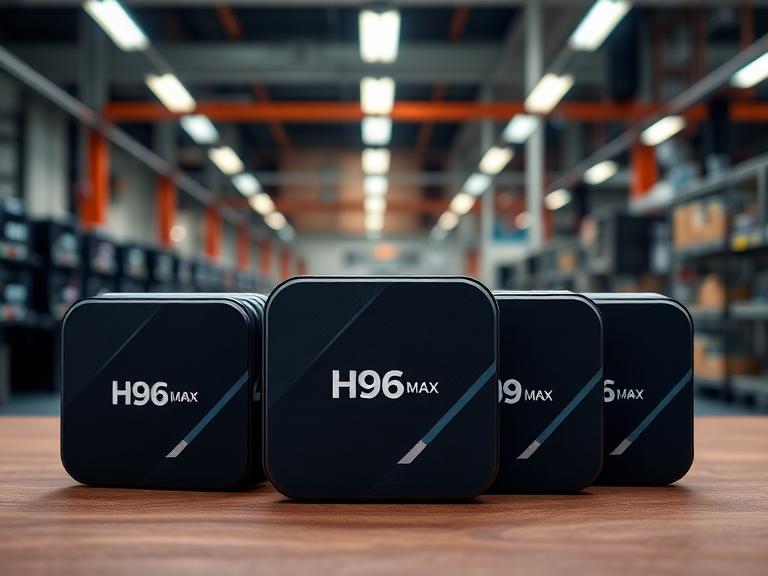
Strategic Approaches to OEM Sourcing for TV Boxes in Global Markets
In the rapidly expanding digital entertainment sector, the TV Box serves as a key enabler of streaming and smart connectivity worldwide. For businesses entering OEM sourcing or bulk distribution, a strategic approach to supplier evaluation can determine long-term profitability. This article outlines the essential elements of OEM strategy, from hardware and firmware optimization to logistics, sustainability, and innovation, ensuring that enterprises make informed sourcing decisions in the global marketplace.
1. Understanding OEM Value in TV Box Production
An effective OEM strategy begins with understanding the unique value proposition of the TV Box. Unlike generic off-the-shelf devices, OEM partnerships enable businesses to tailor hardware configurations, branding, and software environments to meet specific market requirements. Whether it’s for consumer streaming or enterprise integration, custom-built devices offer superior brand alignment and performance stability.
High-quality manufacturing partners provide scalability and customization across product ranges — including Android TV Boxes and smart TV devices. This flexibility allows businesses to target multiple market segments, from hospitality and education to OTT streaming providers.
2. Evaluating Hardware Architecture and Reliability
Hardware remains the backbone of every TV Box solution. Businesses must ensure suppliers use reliable components that support long-term stability. Processors such as Amlogic S928X and Rockchip RK3588 deliver advanced multimedia decoding, 8K playback, and low-latency operation — essential for competitive performance. Additionally, enterprises should confirm suppliers conduct rigorous QC testing, including thermal regulation, network stress, and system stability validation.
Power management efficiency should not be overlooked. In OEM projects involving large-scale deployments, choosing energy-efficient components can significantly reduce operating costs, particularly for commercial clients in hospitality or retail networks.
3. Firmware Customization and User Experience
Software defines the user experience. A responsive, customizable firmware transforms a standard TV Box into a versatile digital hub. OEM suppliers that provide access to source-level firmware development empower businesses to create unique UI environments, integrate corporate apps, and pre-install certified streaming platforms. Compatibility with Google Play Services, Widevine L1 DRM, and Netflix certification ensures global usability and reliability.
Moreover, enterprises should evaluate the manufacturer’s ability to deliver OTA (Over-The-Air) firmware updates, ensuring continuous software improvement post-deployment. Regular updates maintain device performance, enhance security, and reduce after-sales maintenance costs.
4. OEM Design and Branding Flexibility
In competitive markets, brand differentiation is key. OEM manufacturers offering custom mold design, surface finishes, and packaging innovation enable brands to stand out. For example, a custom TV Box with a metallic casing, laser-etched logo, and unique LED indicators reinforces product identity. By combining functional engineering with visual appeal, companies can elevate their product image and consumer trust.
5. Supply Chain Integration and Production Efficiency
Global distribution requires a seamless supply chain. Businesses should prioritize Android TV Box manufacturers that control both upstream and downstream processes — from component procurement to warehouse logistics. Factories with automated SMT lines and quality checkpoints reduce lead times while ensuring consistency. Multi-warehouse systems, especially those operating across 50+ countries, enhance delivery reliability and optimize inventory management for bulk buyers.
Supply chain digitalization also plays a role. Real-time tracking, predictive analytics, and ERP integration allow businesses to forecast demand accurately, avoiding overstocking or production delays.
6. Pricing Structure and Cost Optimization
Effective cost control goes beyond unit pricing. OEM clients must analyze all contributing factors — from materials and packaging to certification and logistics. Transparent cost models reflect the supplier’s commitment to fair business practices. Comparing quotations using Total Cost of Ownership (TCO) metrics allows companies to identify sustainable pricing strategies that ensure profitability over the product lifecycle.
7. Compliance and Certification Standards
Before shipment, every TV Box must meet international standards such as CE, FCC, and RoHS. Certified compliance not only accelerates customs clearance but also enhances brand reputation. For large-scale distribution across Europe, the Americas, and Asia, meeting these standards is mandatory. Businesses should confirm that suppliers maintain updated documentation and test reports to prevent regulatory delays.
8. After-Sales Support and Service Framework
A long-term partnership depends on the manufacturer’s post-sales performance. OEM partners offering dedicated support channels, spare part supply, and firmware maintenance build lasting client confidence. Businesses should negotiate service-level agreements (SLAs) defining response times, warranty coverage, and technical assistance to ensure seamless operations.
Comprehensive technical documentation, including product manuals and SDKs, empowers enterprises to provide localized support efficiently. Reliable after-sales frameworks translate into stronger brand equity and customer satisfaction.
9. Innovation and Future-Proofing
The smart TV industry evolves rapidly. Manufacturers investing in AI-powered upscaling, Wi-Fi 6E connectivity, and sustainable materials help businesses maintain a technological advantage. Collaboration with such forward-thinking OEM suppliers ensures that upcoming smart TV Box models remain competitive and compliant with next-generation standards.
Continuous R&D collaboration allows partners to develop new features that address emerging consumer demands — from enhanced voice control to cross-platform streaming integration.
10. Building Enduring OEM Partnerships
Ultimately, the strength of any OEM relationship lies in mutual growth. Businesses should partner with suppliers committed to transparent communication, innovation, and long-term development. Regular collaboration sessions and co-engineering initiatives foster efficiency and shared success. An ideal OEM partnership is not transactional but transformative — evolving with technological trends and market opportunities.
In conclusion, sourcing TV Boxes for global markets demands a structured approach encompassing quality, scalability, and innovation. Choosing a partner with proven production capacity, certification readiness, and logistics strength guarantees consistent results. By aligning with the right OEM manufacturer, businesses can unlock new opportunities in the global smart entertainment ecosystem.
To secure dependable and scalable OEM TV Box production, Partner with H96 Max — a trusted Android TV Box manufacturer shipping over 5,000,000 units annually, maintaining 50+ global warehouses, and delivering excellence to 150+ countries. Begin your OEM journey today with a factory that blends innovation, quality, and performance.
READ MORE
Achieving Scalability and Sustainability in OEM TV Box Sourcing
Key Factors When Sourcing TV Boxes for OEM and Bulk Projects
Quick Links

.png "Watch H96 Max Android TV Box reviews on our YouTube channel")

.png "Explore H96 Max product photos on Instagram")