.png "H96 Max Android TV Box video reviews and tutorials on YouTube")
.png "H96 Max Android TV Box photos and lifestyle shots on Instagram")



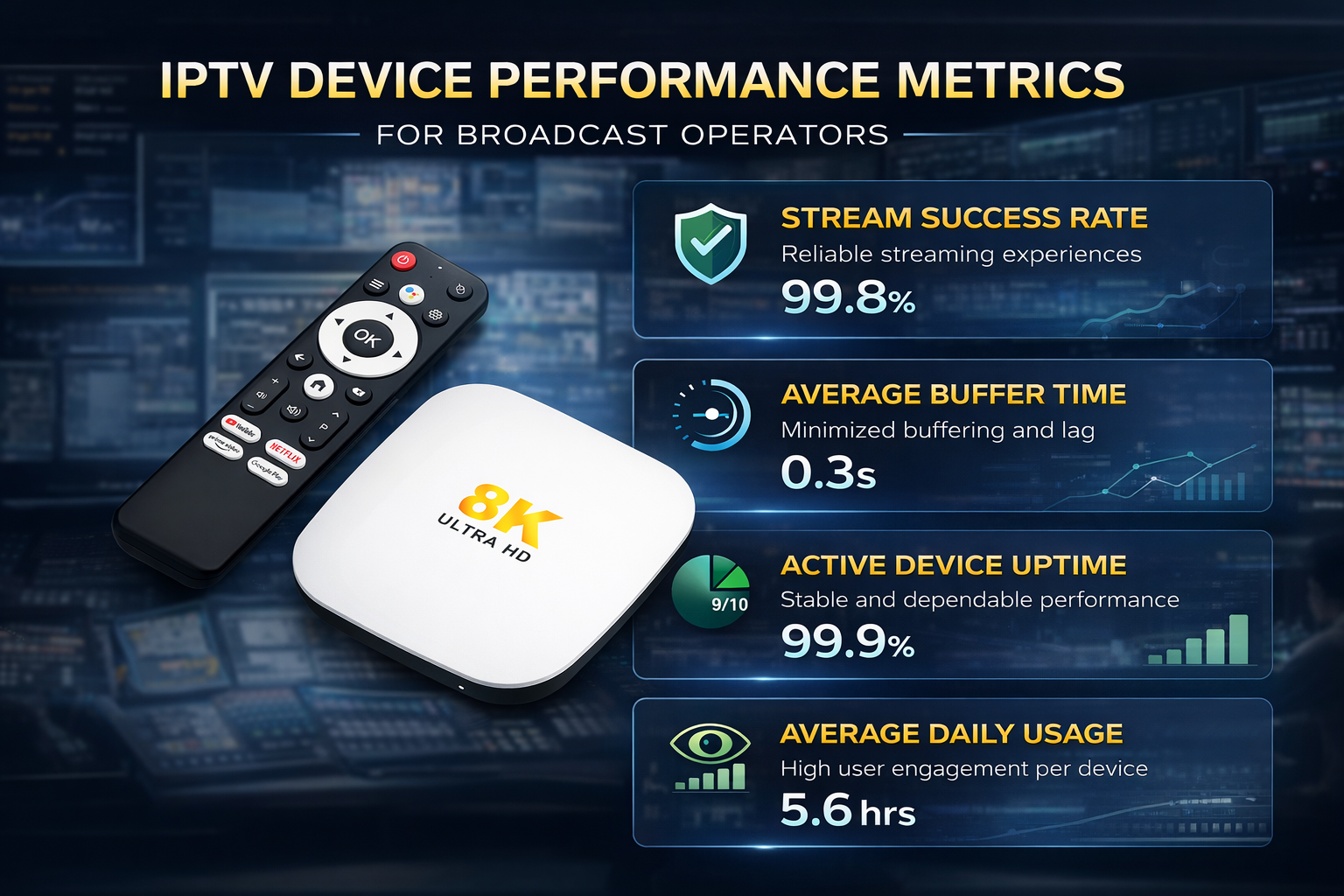
How to Understand Set Top Box Specifications Beyond the Datasheet
For telecom operators, selecting a carrier-grade set top box often involves reviewing detailed specification sheets filled with technical terms. However, one of the most common procurement mistakes is assuming that better specifications automatically translate into better performance. According to research from Omdia and Strategy Analytics, more than 55% of operators report performance gaps between advertised specifications and real-world results. This gap highlights the need to understand not just what specifications say, but what they actually mean in operational environments.
Understanding how to choose a carrier-grade set top box supplier for IPTV operators requires translating technical parameters into business impact. At the same time, knowing what to consider when buying 4K IPTV set top box for telecom operators means evaluating how each specification affects streaming quality, stability, and scalability. Without this deeper understanding, procurement decisions may rely on misleading or incomplete data.
1. Chipset Performance and Real Processing Power
The chipset is the core of any carrier-grade set top box, but not all processors perform equally under real conditions. Clock speed alone does not determine performance. Operators should evaluate multi-core efficiency, GPU capability, and decoding support. An operator set top box with optimized chipset architecture ensures smoother playback and faster UI response.
2. RAM and Storage: More Than Just Numbers
Many suppliers highlight RAM and storage capacity, but performance depends on how efficiently these resources are utilized. A 4K IPTV set top box requires sufficient RAM for buffering and multitasking, but poor memory management can still cause lag. Storage speed also impacts app loading and system responsiveness.
3. Video Decoding and Codec Support
Codec support is critical for content delivery. A carrier-grade set top box should support modern codecs such as H.265 and AV1 to ensure efficient bandwidth usage. Operators must verify hardware decoding capabilities rather than relying on software decoding, which can reduce performance.
4. Network Connectivity and Stability
Network performance directly affects user experience. Ethernet, Wi-Fi standards, and bandwidth handling capabilities must be evaluated. An IPTV set top box supplier should provide devices that maintain stable connections even under fluctuating network conditions.
5. Operating System and Software Optimization
The operating system plays a significant role in performance. Android TV set top box platforms offer flexibility but require optimization. Poorly optimized software can negate the benefits of strong hardware. Operators should evaluate system stability, update frequency, and compatibility.
6. Thermal Design and Heat Management
Thermal management is often overlooked but critical for long-term stability. A carrier-grade set top box must maintain performance under continuous operation without overheating. Poor thermal design can lead to hardware degradation and increased failure rates.
7. DRM and Security Capabilities
Security specifications are essential for protecting content. A carrier-grade set top box must support DRM systems such as Widevine and PlayReady. Operators should verify security certifications to ensure compliance with content providers.
8. OTA and Software Upgrade Support
OTA capability ensures devices remain up to date. A reliable carrier-grade set top box should support remote updates, bug fixes, and feature enhancements. Without OTA support, devices quickly become outdated.
9. Interface and User Experience Performance
User interface performance is influenced by multiple specifications working together. Fast navigation, responsive controls, and smooth transitions are essential. Even a high-spec carrier-grade set top box can fail if UI optimization is poor.
10. Real-World Testing vs. Datasheet Claims
Finally, operators must validate specifications through real-world testing. Laboratory results often differ from actual deployment conditions. Choosing an experienced IPTV set top box supplier that provides test samples and pilot support helps bridge this gap.
Understanding specifications at a deeper level enables operators to make more informed procurement decisions. A carrier-grade set top box should be evaluated not just on paper but in real operational scenarios. Each parameter contributes to overall performance, and overlooking any detail can lead to significant issues.
Operators that develop technical evaluation capabilities gain a competitive advantage by selecting more reliable and efficient solutions. Translating specifications into real-world impact ensures better service quality and customer satisfaction.
Ultimately, technical specifications are only valuable when properly understood. A well-evaluated carrier-grade set top box supports stable operations, scalable growth, and long-term success in the IPTV market.
As a professional source factory, H96 Max provides strong manufacturing capabilities, strict quality control, and flexible OEM/ODM services tailored for global telecom operators. Partner with H96 Max today to build a reliable and scalable IPTV solution.
READ MORE
Final Guide to Carrier-Grade Set Top Box Procurement for IPTV Operators
Build vs Buy vs ODM: Set Top Box Strategy for IPTV Operators
Different IPTV Operator Strategies for Set Top Box Procurement
Carrier-Grade Set Top Box Procurement Checklist for Operators
How to Compare Carrier-Grade Set Top Box Solutions for IPTV Operators
Quick Links

.png "Watch H96 Max Android TV Box reviews on our YouTube channel")

.png "Explore H96 Max product photos on Instagram")